What Are the Top 10 Benefits of Solar Panels?
Solar panels have moved from a niche technology to a practical energy choice for many homes and businesses. Their appeal reaches beyond lower electricity bills. The benefits of solar panels can include cleaner power, greater energy independence, and protection against rising utility prices. Yet the right decision depends on local sunlight, roof condition, system size, and installation quality.
Fatih Birol, Executive Director of the International Energy Agency, has stated, “Solar PV is now the cheapest source of electricity in history.” His observation reflects major cost reductions and rapid improvements in solar technology. Modern panels can produce electricity on rooftops, parking structures, and unused land. During a bright afternoon, a home system may power appliances while sending extra electricity to the grid. Battery storage can preserve some energy for evening use.
The advantages are real. They are not automatic.
A shaded roof may deliver disappointing results. Upfront costs can also feel heavy, especially without suitable financing or incentives. Panels require careful design, safe installation, and occasional cleaning or inspection. Their environmental value also depends on responsible manufacturing, transportation, and recycling. These details are easy to overlook.
This guide examines the top ten benefits of solar panels through a practical, evidence-based lens. It considers household savings, carbon reduction, property value, grid resilience, and long-term performance. It also addresses limitations, because honest advice should include both bright outcomes and uncomfortable questions. A solar system is not a perfect answer for every property. Still, with professional assessment and realistic expectations, it can become a visible, working investment in cleaner energy.
How Solar Panels Convert Sunlight into Usable Electricity
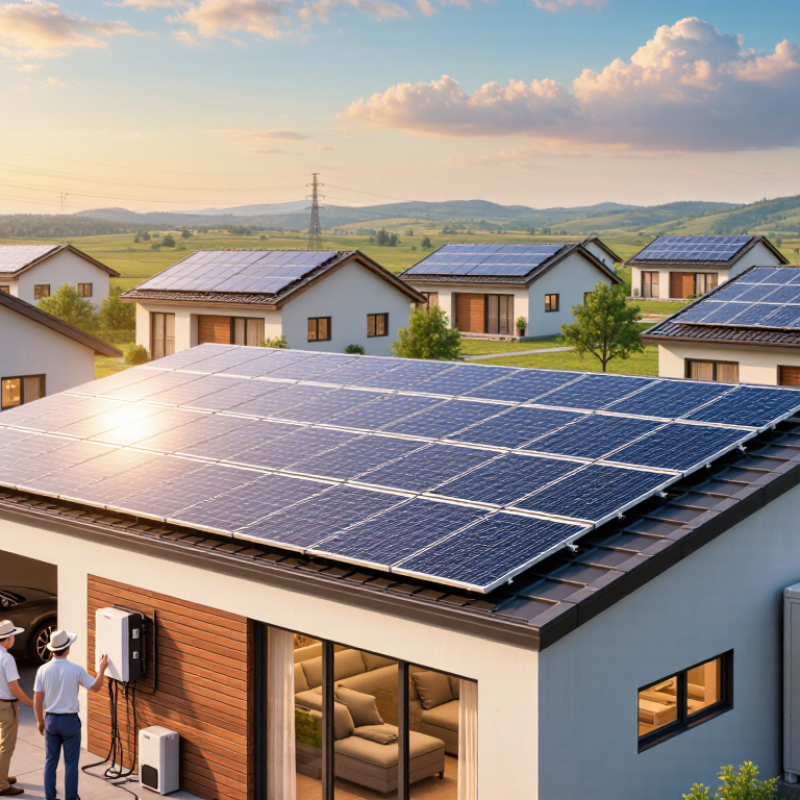
Solar panels turn sunlight into usable electricity through a quiet, precise process. Photons strike silicon cells and release electrons. An internal electric field pushes those electrons in one direction, creating direct current. An inverter then changes direct current into alternating current for household appliances. Batteries can store extra power for evening use.
The conversion is elegant, not perfect. Heat, dust, shading, and panel angle reduce output. A cloudy day still produces electricity, but usually less. The International Energy Agency Photovoltaic Power Systems Programme reported that solar PV supplied about 5.5% of global electricity in 2023. IRENA also recorded more than 400 gigawatts of new solar capacity that year. These figures show why solar supports lower emissions, energy independence, and potentially smaller electricity bills. However, savings depend on local sunlight, installation quality, tariffs, and maintenance. The roof matters more than many buyers expect.
Tips: Request a shade study before installation. Keep panels clear of leaves and heavy dust. Ask for measured output, not only estimated savings. Check the inverter’s efficiency and warranty terms. A poorly placed system may disappoint. That is worth admitting. Evaluate seasonal production, battery needs, and future electricity use before signing any agreement.
What Are the Top 10 Benefits of Solar Panels?
Solar panels use photovoltaic cells to convert sunlight directly into direct-current electricity. An inverter then converts it into alternating-current electricity for household or grid use. Under standard test conditions of 1,000 W/m² sunlight, typical module efficiencies vary by solar technology.
The chart shows typical commercial module-efficiency levels. For example, a 22% efficient module converts about 220 watts of sunlight per square metre into electricity under standard test conditions. Actual output depends on sunlight, temperature, orientation, shading, and system losses.
Top 10 Benefits of Solar Panels
- Generate electricity from an abundant renewable energy source.
- Produce no direct air pollution or operational carbon emissions.
- Use very little water during normal electricity generation.
- Reduce dependence on electricity generated from fossil fuels.
- Can lower electricity purchases when connected to a suitable home or grid system.
- Operate quietly because photovoltaic panels have no moving parts.
- Can be installed on rooftops, parking structures, and previously developed land.
- Work in many climates, including areas with seasonal or moderate sunlight.
- Can be combined with batteries to provide electricity after sunset or during outages.
- Offer a long operating life, with many modules designed to produce electricity for 25 years or more.
Lowering Household Energy Costs Through Solar Power
What Are the Top 10 Benefits of Solar Panels?
Lowering Household Energy Costs Through Solar Power
Solar panels can lower household energy costs by producing electricity on your roof. On a sunny afternoon, they may power appliances directly, reducing electricity purchased from the grid. This can shrink monthly bills, especially in homes with high daytime use. Families may also gain protection from rising utility rates. The savings are real, but they are not perfectly predictable.
A careful household can improve results by shifting laundry, water heating, and dishwashing into daylight hours. A battery may store extra power for evening use, although its price can extend the payback period. Net-metering rules may provide credits for unused electricity, but local policies differ. An energy audit can reveal roof shading, insulation problems, and inefficient appliances before installation. These details matter more than optimistic sales estimates.
Solar power can also reduce peak-demand charges, maintenance costs, and dependence on outside energy supplies. It may increase a property’s appeal and provide limited backup support during outages when paired with suitable storage. Cleaner electricity lowers household emissions, which is another practical benefit. However, panels still require inspections, occasional cleaning, and safe electrical work. I would compare at least twelve months of utility bills, roof condition, financing costs, and expected production. A cheaper installation is not always the better investment.
Reducing Carbon Emissions and Supporting Cleaner Air
Solar panels generate electricity without burning fuel at the property. That matters on hot afternoons, when air conditioners increase electricity demand. A rooftop system can reduce power purchased from fossil-fuel-heavy grids, lowering related carbon dioxide emissions. It also avoids direct exhaust at home. No smoke stack sits beside the kitchen window.
Cleaner electricity can support better local air quality. Reduced fossil-fuel generation means fewer nitrogen oxides, sulfur dioxide, and fine particles from power stations. These pollutants can worsen asthma and irritate lungs. The benefit is strongest where solar replaces coal or oil generation. Grid conditions differ, though. In regions using cleaner energy, the air-quality improvement may be smaller.
A practical assessment should examine roof direction, shade, panel lifespan, and the local electricity mix. Even a small shaded area can reduce afternoon output beyond an initial estimate. Manufacturing panels also requires energy and raw materials, so solar is not impact-free. Recycling systems are improving, but disposal planning still needs attention. Regular monitoring can reveal dust, wiring faults, or unusual production drops. Pairing panels with efficiency measures, such as sealing window gaps, can improve results. The cleaner-air promise depends on measured performance, not optimistic assumptions.
Increasing Property Value and Advancing Sustainable Technology
Solar panels can strengthen a property's market appeal while reducing daily electricity costs. Buyers often notice a lower energy burden, especially when utility prices continue to change. A clean roof installation, recent maintenance records, and approved electrical work can support buyer confidence. Property value may increase, but the result depends on local demand, system age, roof condition, and ownership terms. There is no universal percentage gain.
A practical example is a home with panels, a digital monitoring system, and a battery. Owners can track production during breakfast and use stored power after sunset. This makes energy use more visible and controllable. Efficient inverters and improved panel designs also help systems perform during cloudy weather. Progress is real. Still, batteries add cost, weight, and eventual replacement needs. A careful inspection matters before purchase.
Solar technology is also advancing sustainable infrastructure beyond one household. Smart systems can respond to grid demand, reduce peak consumption, and coordinate with other clean energy sources. Newer manufacturing methods aim to use fewer raw materials and improve panel efficiency. Recycling remains an imperfect area, however. Some components require specialized facilities, and disposal rules differ by location. Homeowners should request performance data, warranty terms, installation permits, and end-of-life plans. Small details matter. Even well-designed systems can underperform when trees, dust, or poor ventilation are ignored.