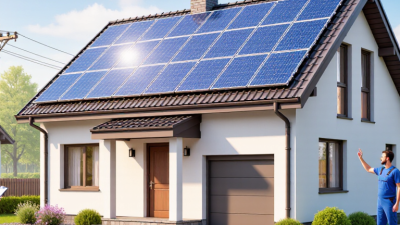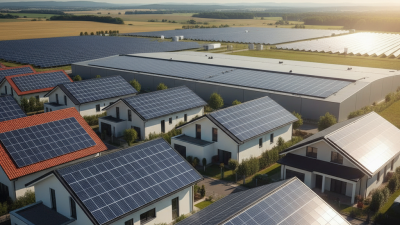
For a business, a solar panel system can turn an unused roof into a source of daytime electricity. It may also make energy costs more predictable. But the business case depends on more than sunshine. Roof age, shading, electricity rates, and when equipment runs all matter. A warehouse with bright, empty roof space has different needs from a shaded shop with evening-heavy demand. Small details count.
The economics are worth examining. IRENA’s Renewable Power Generation Costs in 2023 reported that the global weighted-average cost of utility-scale solar PV electricity fell 12% that year and was 56% below fossil-fuel alternatives. Those figures describe utility-scale projects, not guaranteed savings for a business rooftop. Still, they show how sharply solar costs have changed. IEA Executive Director Fatih Birol called solar “the new king of electricity” in the agency’s World Energy Outlook 2020. A strong trend. Not a promise.
This guide explores the practical reasons companies consider solar panels, from potential bill savings to resilience and environmental reporting. It also looks at the less tidy questions: upfront costs, roof repairs, storage, and payback estimates. A spreadsheet can flatter the outcome. Real electricity bills and a qualified site assessment offer a more grounded starting point.
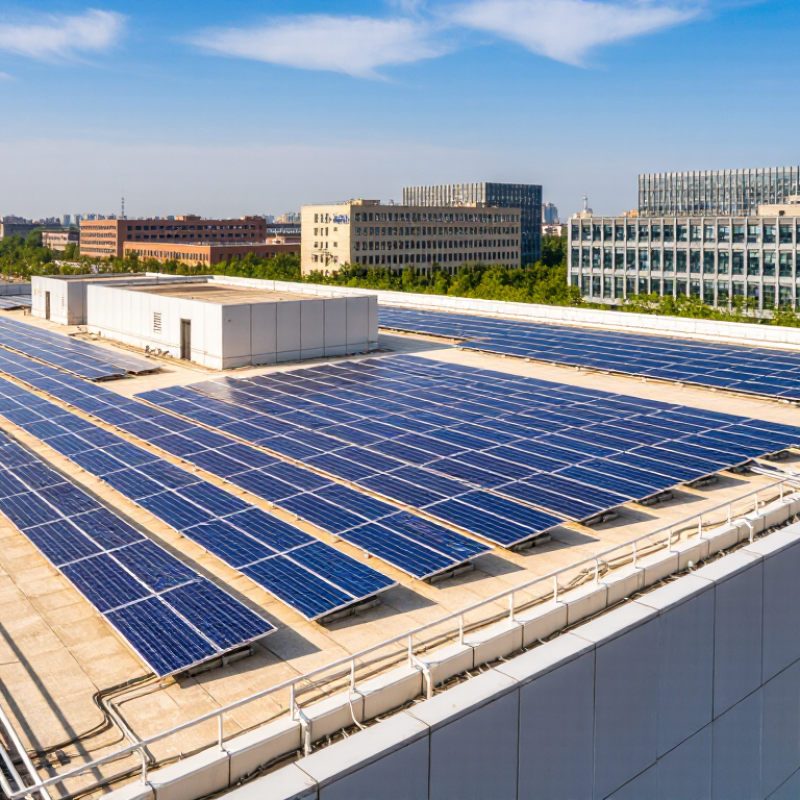
A commercial solar system converts daylight into electricity through photovoltaic cells inside rooftop or ground-mounted panels. The panels produce direct current (DC), which an inverter changes into alternating current (AC) for equipment, lighting, and other building loads. It happens quietly. A facilities manager may only notice the inverter display and a lower daytime draw from the grid.
Electricity is usually used on-site as it is generated. When production exceeds demand, the system may send power to the grid, depending on the local connection arrangement. Some businesses add batteries to store surplus energy for later use, but storage adds cost and requires careful sizing. A qualified installer should assess roof condition, shading, electrical capacity, and expected energy use before proposing a system. A roof with vents and awkward corners can change the layout more than expected.
Monitoring software can show production and flag sudden drops, such as output reduced by dust or equipment faults. Readings are useful, but they do not replace periodic inspection.
The first layout is rarely the final one; actual site conditions can complicate a neat plan. Planning is not always elegant. A business should compare estimated generation with its own interval-meter data, because a system sized from rough monthly bills may miss important demand patterns.
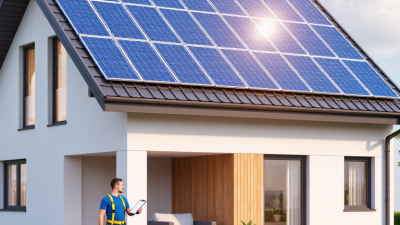
Solar panels can turn unused roof space into a source of electricity for daily operations. A warehouse running lights, refrigeration, or machinery during daylight may use much of the power as it is generated. That can reduce electricity purchases and make operating costs more predictable. A lower bill is useful. A steadier bill can be more valuable.
Solar power can also reduce a business’s emissions from electricity use. This may support sustainability targets and provide clear figures for customers, staff, or annual reporting. The practical details matter: a shaded roof, limited usable area, or mostly evening energy use can reduce the benefit. Reviewing interval electricity data and getting a site assessment helps set realistic expectations. Estimates are not guarantees.
Some systems can pair with battery storage, allowing stored electricity to serve selected loads after sunset or during certain outages. Batteries add cost, though, and they do not automatically keep an entire facility running. Businesses should compare installation costs, financing, maintenance, utility rates, and applicable incentives over the system’s expected life. Payback calculations can look neat on paper. Real energy use changes, and forecasts sometimes miss. A careful review of roof condition, electrical needs, and operating hours makes the decision more grounded.
For a business, solar’s value depends on more than the panel price. Compare the full installed cost, including electrical upgrades, roof work, permits, and financing. IRENA’s Renewable Power Generation Costs in 2023 reported a global weighted-average cost of electricity from new utility-scale solar at US$0.044 per kilowatt-hour. That is a useful benchmark, not a quote for a commercial rooftop. Your actual savings depend on local power rates, sunlight, system design, and when your building uses electricity. Daytime-heavy operations may use more solar directly; evening demand can reduce that advantage. Details matter.
In the United States, eligible projects may qualify for the Section 48E clean electricity investment credit. The base credit is 6% of eligible investment, potentially rising to 30% when prevailing-wage and apprenticeship requirements are met. Other bonuses may apply, but eligibility rules and project details matter. A tax professional should check the current requirements. Estimate annual output conservatively, then compare it with utility bills and financing payments. Include maintenance and any battery costs. A spreadsheet can still mislead: shade, roof repairs, or utility charges can change the result. Before signing, ask for production assumptions and a clear breakdown of costs.
Before discussing savings, map how your business uses electricity. Review twelve months of bills and note monthly usage, peak charges, and operating hours. If possible, compare hourly demand with expected solar production. Panels generate most power during daylight, so a business busy at noon may use more of its own electricity. That mismatch matters.
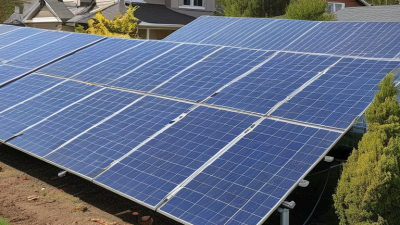
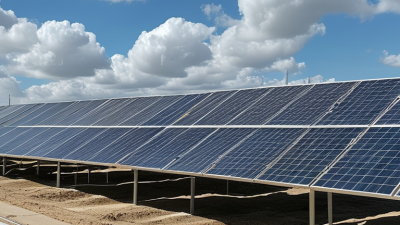
Walk the roof and parking areas at different times of day. Nearby trees, vents, skylights, and taller buildings can cast shadows that reduce production. Record the usable space, roof age, and any visible wear. A large roof is not automatically suitable; a structural professional can assess whether it can safely support the equipment. Ground-mounted systems may be an option when roof space is limited, but they need clear, usable land.
Then ask a qualified solar professional to model several system sizes using your actual bills and site conditions. Check the assumptions behind estimated output, maintenance, and payback. Estimates are estimates. I would not treat a sunny roof as a business case on its own. For example, a refrigerated shop with steady daytime demand may use more solar power directly than a venue that mainly operates after sunset. Your operating pattern, shading, and available space make the assessment specific to your business.
Why Choose Solar Panels for Your Business?
Installation, Operation, and Maintenance of Commercial Solar Panels
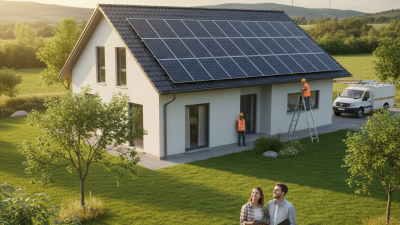
A commercial solar project starts with a site assessment, not a panel count. Check roof age, load capacity, shade, electrical equipment, and daytime energy use. A south-facing roof may look ideal, yet nearby vents can cast narrow shadows and reduce output. A qualified installer should document these conditions, explain system sizing, and coordinate inspections and grid connection. Keep the proposal’s production assumptions; they are estimates, not promises.
After commissioning, review the monitoring dashboard and compare monthly generation with expected seasonal patterns. Small details matter. Dust, leaves, or a new rooftop unit can affect output. Schedule periodic checks for wiring, mounting hardware, drainage, and inverter alerts, using trained technicians for electrical work. Cleaning frequency depends on local dust and rainfall; unnecessary washing can waste water and create slip risks. Even a carefully designed system may underperform its model in a cloudy season, so investigate trends rather than reacting to one low week.
Tips: Keep access paths clear and save service records. Photograph the array after major roof work. If output drops suddenly, check alerts and shading before assuming equipment failure. Don’t climb onto panels; leave inspections to qualified staff.
| Stage | Topic | Practical information | What to consider |
|---|---|---|---|
| Planning | Electricity use | Review at least 12 months of electricity bills and interval usage data where available. | Matching solar generation with daytime demand can increase the share of electricity used on site. |
| Planning | Roof or site suitability | Assess usable area, orientation, shading, roof condition, structural capacity, and access for maintenance. | A structural professional may need to confirm that the roof can support the proposed equipment and loads. |
| Planning | System design | A grid-connected system commonly includes photovoltaic modules, mounting equipment, inverters, electrical protection, and monitoring. | System size and expected output depend on site conditions, equipment, local weather, and utility requirements. |
| Installation | Permits and approvals | Projects may require building and electrical permits, inspections, and approval for connection to the electricity network. | Requirements vary by location and project; confirm them with the relevant authorities and utility before construction. |
| Installation | Electrical connection | Inverters convert the modules’ direct-current electricity into alternating current used by most business electrical systems. | Grid connection, export limits, metering, and protection settings should be coordinated with the utility and qualified installer. |
| Operation | Energy use and grid supply | Solar electricity can serve on-site loads; the grid may supply additional power when generation is insufficient. | Exported electricity and any credits or payments depend on local tariffs and utility arrangements. |
| Operation | Outages and battery storage | Most standard grid-connected systems shut down during a grid outage for safety unless designed with approved backup equipment. | Backup power generally requires compatible inverters, controls, and often batteries; confirm which loads can be supported. |
| Operation | Performance monitoring | Monitoring systems can report energy production and flag some equipment faults or unexpected output changes. | Compare production with expected performance while accounting for season, weather, shading, and system downtime. |
| Maintenance | Routine inspections | Periodic checks can identify visible damage, loose connections, corrosion, inverter alerts, or drainage and access issues. | Inspection frequency should reflect the system design, site conditions, safety requirements, and equipment guidance. |
| Maintenance | Panel cleaning | Rain may remove some surface dirt, but dust, pollen, leaves, or bird droppings can reduce output when they accumulate. | Clean when soiling is materially affecting performance; follow manufacturer guidance and use safe, non-damaging methods. |
| Maintenance | Repairs and safety | Electrical testing and repairs should be performed by qualified personnel using appropriate isolation and fall-protection procedures. | Keep access routes clear and retain system drawings, inspection records, warranties, and maintenance logs. |
| Long-term planning | Equipment life and warranties | Solar modules are generally designed for long service, while inverters and other components may have different service lives and warranty terms. | Review product and workmanship warranties separately, including coverage periods, exclusions, and claim procedures. |