How to Choose the Best Solar Panel for Your Home?
Choosing the right solar panel for your home is crucial. The solar energy sector is rapidly evolving. According to the latest report from the Solar Energy Industries Association (SEIA), the U.S. solar market grew by 21% in 2022. This growth underscores the increasing importance of selecting effective solar technology.
Expert in solar energy, Dr. Emily Thompson, emphasizes, "The efficiency of solar panels can significantly impact your energy savings." With various options available, understanding panel types and their efficiency ratings is essential. Not all solar panels are created equal. Some may lack the durability needed for long-term use.
Consider your energy needs, roof size, and budget. Many homeowners face challenges in finding the perfect fit. Looking beyond price is vital. Sometimes, a less expensive panel might require more maintenance. It’s important to weigh all factors. Careful research is necessary for a wise investment in solar panels.
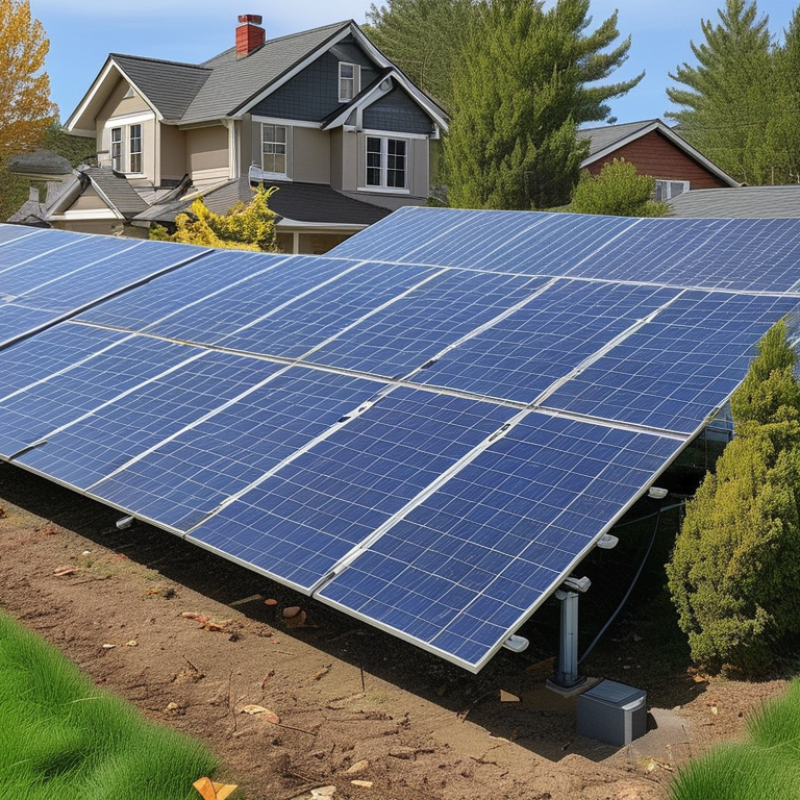
Understanding Your Energy Needs and Consumption Patterns
Understanding your energy needs is crucial when choosing solar panels for your home. Start by analyzing your electricity consumption over the last year. Look at your utility bills to identify peak usage months. You may be surprised at how much energy various appliances consume. This awareness helps in selecting the right solar panel size.
Consider how much sunlight your home receives. If you live in an area with frequent cloud cover, you may need panels with better efficiency. Take note of your roof's orientation and any potential shading from trees or buildings. This information is vital for making informed decisions.
Tips can help in this process. Monitor your daily energy usage for a week. Use a smart meter if possible to capture accurate data. Evaluate whether you have devices that could benefit from solar power directly. Assessing your actual energy consumption patterns can guide your panel selection. Look beyond simple calculations; every household has unique habits.
How to Choose the Best Solar Panel for Your Home? - Understanding Your Energy Needs and Consumption Patterns
| Panel Type |
Efficiency (%) |
Wattage (W) |
Cost per Watt ($) |
Warranty (Years) |
| Monocrystalline |
20-22 |
300 |
$2.50 |
25 |
| Polycrystalline |
15-18 |
270 |
$1.80 |
20 |
| Thin-Film |
10-13 |
160 |
$1.00 |
10 |
| Bifacial |
20-24 |
320 |
$3.00 |
30 |
Evaluating Different Types of Solar Panels: Monocrystalline vs. Polycrystalline
When choosing solar panels, understanding the differences between monocrystalline and polycrystalline panels is crucial. Monocrystalline panels are made from pure silicon. They are known for their high efficiency and sleek appearance. These panels tend to perform well in low-light conditions. This efficiency can translate into more energy production in smaller spaces.
Polycrystalline panels, on the other hand, are made from multiple silicon crystals. They are generally less expensive but also somewhat less efficient. Their blue speckled look is distinct. If space is limited, these panels may require more area to produce the same amount of energy.
Assessing your environment is key. Consider roof space, shading, and local weather. Monocrystalline panels might be better for limited space, while polycrystalline could suit larger areas with less budget. Remember, the best choice often depends on your specific needs and situation. Each option has its trade-offs; reflect on what fits best for your home.
Solar Panel Efficiency Comparison
This chart compares the average efficiency of two major types of solar panels: Monocrystalline and Polycrystalline. Monocrystalline panels are known for higher efficiency, making them a popular choice for homeowners considering solar energy solutions.
Assessing Solar Panel Efficiency Ratings and Performance Metrics
Choosing the right solar panel involves understanding efficiency ratings and performance metrics. Efficiency ratings indicate how effectively a solar panel converts sunlight into electricity. Panels with higher efficiency ratings are generally more productive, which is crucial for limited roof space. It’s important to consider both the maximum efficiency and the real-world performance of the panels.
Checking reviews and performance data can help gauge how panels perform in different weather conditions. Temperature coefficients are vital, too; they show how efficiency drops as temperatures rise. A lower temperature coefficient means better performance in heat. Some panels might perform well initially but degrade faster over time.
When selecting, consider your local climate. Performance may vary based on sunlight availability. Look for panels that maintain good performance during cloudy days as well. Researching warranty details also helps. A longer warranty generally indicates a reliable product. Remember, investing in higher-quality panels can save you money in the long run. Evaluate your options carefully before making a choice.
Considering Installation Costs and Long-term Financial Benefits
When considering solar panel installation, it's essential to evaluate both upfront costs and long-term financial benefits. Recent studies indicate that the average cost of solar panel installation ranges from $15,000 to $25,000, depending on system size and local labor rates. Federal tax incentives can reduce this upfront expense by around 26%, making solar more attainable.
On the financial side, solar panels often lead to substantial savings on electricity bills. A report by the Solar Energy Industries Association states that homeowners can save anywhere from $10,000 to $30,000 over 20 years. Additionally, solar panels can boost property values. Research published by the National Renewable Energy Laboratory highlights that homes with solar energy systems sell for approximately 4% more than those without.
It's also important to consider maintenance costs, even though solar systems generally require minimal upkeep. Potential issues can arise, leading to unexpected expenses. This makes thorough research crucial. Assessing local incentives and understanding your electricity consumption patterns will play a significant role in making an informed decision about your solar investment.
Researching Reputable Solar Panel Manufacturers and Warranties
When selecting solar panels for your home, understanding warranties and manufacturers is crucial. A reputable manufacturer will often provide strong warranties that cover performance and defects. Look for panels that offer at least a 25-year warranty on performance. This reflects the company’s confidence in its products.
Research the manufacturer’s history. How long have they been in business? Experienced manufacturers are more likely to have quality products. Reading customer reviews can provide insight into the real-world performance of their panels. Take note of any common issues reported by users. It’s also beneficial to examine the company’s response to complaints.
Evaluate how warranties are structured. Some warranty claims can be complicated. Understand the process before buying. Many warranties cover both materials and performance. However, it’s essential to read the fine print. A shorter warranty may indicate lower confidence in the product’s longevity. Remember, not all manufacturers are equal. So, continuous research can save you frustration down the line.