Best Ways to Get Solar Panels for Home Savings?
Investing in solar panels for your home can seem daunting. Many homeowners are exploring ways to get solar panels for home to save on energy costs. The long-term benefits are clear. Solar energy not only reduces monthly bills but also increases property value.
Before making a decision, it’s important to understand the options available. Solar installations can vary significantly in price and efficiency. Factors such as local incentives, financing options, and installation quality should be carefully considered. It’s easy to overlook details that can affect your overall savings.
One common mistake is not researching local solar programs. These programs often provide rebates or tax credits. Homeowners sometimes feel overwhelmed by the process and may rush into decisions. Taking the time to gather information can lead to better outcomes. If you genuinely want to make the switch, ensuring you get solar panels for home intelligently is vital. Simply focusing on the initial costs could lead to regrets later.
Understanding the Benefits of Solar Panels for Homeowners
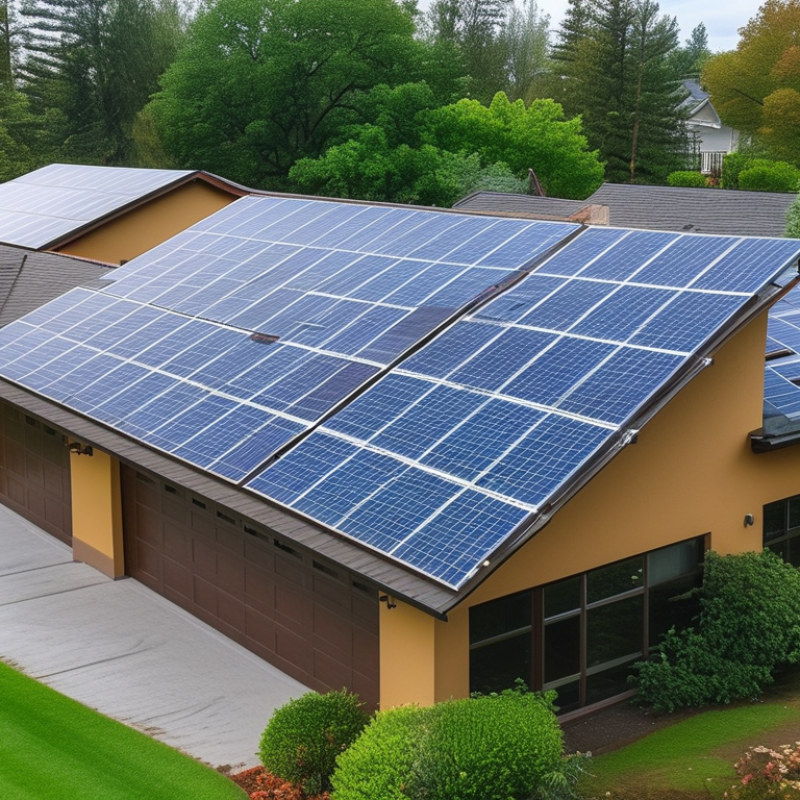
Solar panels offer numerous benefits for homeowners, making them a popular choice for sustainable energy. One significant advantage is the reduction in energy bills. According to the U.S. Department of Energy, homeowners can save up to 50% on their electricity costs by installing solar panels. Additionally, solar energy can increase property values. A report by the National Renewable Energy Laboratory indicates that homes with solar installations sell for about 20% more than those without.
The environmental impact is another important consideration. Solar panels reduce reliance on fossil fuels, leading to lower greenhouse gas emissions. The Environmental Protection Agency notes that a typical residential solar system can offset approximately 100,000 pounds of carbon dioxide in its lifetime. This positive effect contributes to cleaner air and a healthier planet.
While the initial investment can be high, financial incentives exist. Tax credits and rebates can cover a significant portion of installation costs. Homeowners should research local subsidies to maximize savings. Awareness of potential challenges is vital. Factors such as roof orientation, shading, and maintenance requirements must be evaluated. Each situation is unique and requires careful thought before making a decision.
Evaluating Different Types of Solar Panel Systems Available
When evaluating different types of solar panel systems for home savings, it's essential to understand the options available. Solar panels can be broadly categorized into three types: monocrystalline, polycrystalline, and thin-film panels. Each type has its pros and cons, influencing overall efficiency and cost.
Monocrystalline panels are known for their high efficiency and longevity. They take up less space, making them ideal for smaller roofs. However, their price can be a drawback. Polycrystalline panels are generally more affordable but tend to have a lower efficiency rating. They require more space, which may not be suitable for every home. Thin-film panels are lightweight and flexible, offering versatility. Yet, they usually have the lowest efficiency among the three.
Tips for homeowners: Measure your roof space accurately to determine which type fits best. Consider your energy consumption to choose a system that meets your needs without overspending. Research local incentives for solar energy, which can significantly reduce installation costs. Always consult with a financial expert to evaluate long-term savings against initial expenses. Small decisions matter, and the right choice can lead to substantial savings in the long run.
Exploring Financing Options for Solar Panel Installation
Financing solar panel installation can seem daunting. Various options are available to homeowners. Each method has its benefits and drawbacks. Understanding these can help you make an informed decision.
Many homeowners consider solar loans. These loans allow you to spread out the costs over several years. Monthly payments can sometimes match your previous energy bills. However, interest rates vary significantly. Higher rates can lead to unexpected costs over time. Exploring local credit unions or community banks may yield better terms.
Another option is leasing. This means no upfront costs, but you don’t own the panels. Instead, you pay a monthly fee. While this is affordable, it can be less beneficial in the long run. Plus, you miss out on tax credits. Those credits can significantly reduce your overall expenses. Some homeowners find solar Power Purchase Agreements (PPAs) appealing. These allow you to pay for the power produced by the panels instead of leasing the equipment. Despite the upfront savings, it can also lead to complications in ownership and maintenance. Balancing these options is key to maximizing your savings.
Best Ways to Get Solar Panels for Home Savings? - Exploring Financing Options for Solar Panel Installation
| Financing Option |
Description |
Pros |
Cons |
| Cash Purchase |
Pay upfront for the solar panels. |
Immediate savings on energy bills; ownership of the system. |
High initial investment; no financing options. |
| Solar Loans |
Taking out a loan to finance the installation. |
Flexible payment options; retain some cash flow. |
Interest rates add to total cost; potential credit impact. |
| Leasing |
Pay a monthly fee to use solar panels owned by a third party. |
Lower upfront costs; maintenance typically covered. |
No ownership; limited tax credits. |
| Power Purchase Agreements (PPAs) |
You agree to buy electricity generated by the solar panels at a set rate. |
No upfront costs; predictable energy bills. |
Long-term commitment; may pay more over time. |
| Government Incentives |
Tax credits and rebates provided by federal and state governments. |
Reduces overall cost of installation; promotes solar adoption. |
May be subject to changes in policy; requires filing for credits. |
Navigating Government Incentives and Rebates for Solar Energy
Navigating government incentives and rebates for solar energy can be overwhelming. In the United States, the federal solar tax credit allows homeowners to deduct 26% of the cost of a solar system from their federal taxes. This benefit significantly reduces upfront costs. Recent data from the Solar Energy Industries Association (SEIA) shows that over 3 million solar installations are now active nationwide. It highlights a growing interest in solar energy solutions.
Local and state programs often add further savings. Many states offer additional tax credits, rebates, and even performance-based incentives. For instance, California provides a variety of financial incentives to promote solar adoption. This localized support can vary significantly, making research critical. The potential savings are substantial, but it's vital to check eligibility criteria regularly.
While the incentives are attractive, they don't guarantee success for every homeowner. Some still struggle with financing and installation hurdles. Data suggest that the average solar panel installation takes about 3-6 months. Homeowners must be prepared for this timeline. Understanding all parameters can lead to better decisions, ensuring homeowners leverage available resources effectively. Investing time in research is a crucial step toward maximizing savings.
Best Ways to Get Solar Panels for Home Savings
Tips for Choosing the Right Solar Installer for Your Home
Choosing the right solar installer is essential for maximizing home savings. Start by researching local installers. Look for companies with good reputations. Check online reviews and ratings. Reach out to friends or neighbors who have installed solar panels. Personal experiences often reveal valuable insights.
When evaluating installers, ask about their experience. A qualified installer should have at least five years of experience. Inquire about their certifications and training. Not all installers have the same expertise, and it matters. Don't hesitate to ask for references. Speaking to previous customers can guide your decision.
Always obtain multiple quotes before making a choice. Compare the details, including warranties and equipment used. Sometimes a lower price may mean lesser quality. Be wary of hidden fees that can arise later. Ensure the installer is open and transparent about costs. Your home deserves reliable solar solutions. Take your time and do not rush the decision.