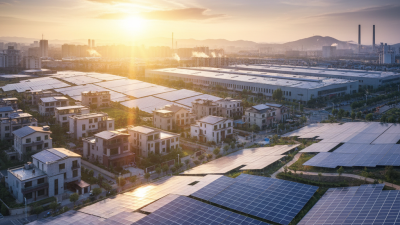
Why Choose Advanced Solar Solutions for Your Energy Needs?
In today's energy landscape, advanced solar solutions offer promising alternatives for sustainable energy. According to Dr. Emily Carter, a leading expert in renewable energy, "The future lies in harnessing advanced solar technologies." These innovations not only promise reductions in carbon footprints but also enhance energy efficiency.
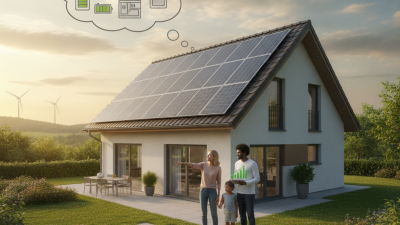
Choosing advanced solar empowers homeowners and businesses to combat rising electricity costs. With cutting-edge technology, energy production becomes more predictable and reliable. Many consumers seek autonomy from traditional energy sources, and advanced solar provides this opportunity.
However, the transition can be daunting. Upfront costs and installation complexities often lead to hesitations. It’s important to weigh these challenges against long-term benefits. Investing time in research and expert guidance can lead to informed decisions. Ultimately, advanced solar systems deliver a pathway toward energy independence, making them worthy of consideration.
Understanding Advanced Solar Solutions and Their Benefits
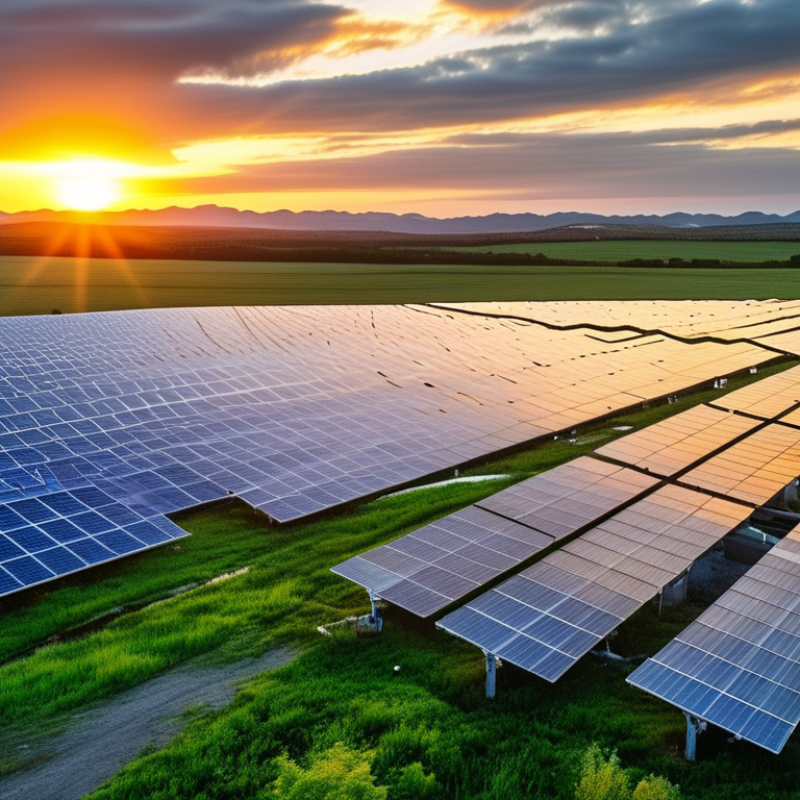
Advanced Solar Solutions offer innovative approaches to energy needs. Understanding these systems reveals their significant benefits. They harness solar energy efficiently, reducing utility bills. With rising energy costs, this becomes increasingly appealing. Many homeowners are turning to renewable sources for sustainability.
The technology varies. Options include photovoltaic panels and solar thermal systems. Each presents unique advantages. Educating oneself about how solar works is essential. Some may find upfront costs daunting. However, the long-term savings can justify this initial investment. Consider local incentives that make the transition easier.
Reliability is a crucial aspect. As technology evolves, maintenance needs may arise. Exploring these options can enhance performance and longevity. Users must weigh the pros and cons. Understanding the commitment involved is key. This journey involves research, adjustments, and potential hurdles. Embracing solar energy isn’t just a trend; it’s a practical choice for many.
The Efficiency of Solar Energy Systems in Modern Applications
Solar energy systems offer remarkable efficiency in today’s applications. These systems harness the sun’s power to generate electricity, reducing reliance on fossil fuels. Installing solar can lower utility bills significantly. The technology has improved, making panels more effective and affordable.
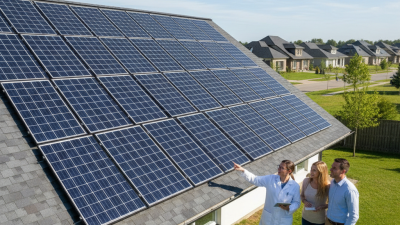
One tip for maximizing solar efficiency is to ensure proper placement. Panels should face south, receiving optimal sunlight. Regular maintenance is crucial too. Dust and debris can block sunlight, decreasing energy output. A clean panel can yield up to 25% more energy.
While solar energy systems have many benefits, challenges remain. Initial costs can seem high to some. Understanding local incentives is essential for better affordability. Consumer skepticism still exists. Education on solar’s long-term savings can help shift perceptions. Adopting solar requires thoughtful planning for lasting benefits.
Cost-Effectiveness: Long-Term Savings with Advanced Solar Solutions
When considering energy solutions, cost-effectiveness is a major factor. Research shows that solar energy systems can reduce electricity bills by 50% to 70%. A report by the National Renewable Energy Laboratory states that homeowners can save up to $20,000 over 20 years with solar installations. These savings accumulate significantly as energy prices rise.
Adopting Advanced Solar Solutions can also qualify you for various tax credits and rebates. The Solar Investment Tax Credit (ITC) allows you to deduct 26% of the cost of your solar system from your federal taxes. This incentive expedites ROI, making solar installations more appealing.
Tip: Conduct a cost-benefit analysis to understand your specific savings potential. Investigate local policies regarding solar incentives. Additionally, engage a solar expert to evaluate your property’s suitability for solar energy. Even a small investment in solar today can lead to large returns tomorrow. Insights from energy reports emphasize that the initial costs may seem daunting, but they lead to substantial long-term financial benefits. Always weigh your decisions carefully.
Environmental Impact: How Solar Energy Supports Sustainability
Solar energy plays a crucial role in promoting sustainability. By harnessing the power of the sun, we can significantly reduce our carbon footprint. According to the International Energy Agency, solar energy could supply nearly 30% of global electricity by 2025. This shift could potentially avoid over 4.5 billion tons of CO2 emissions annually.
The manufacturing process of solar panels does have its challenges. Some reports indicate that producing them can create waste and emissions. However, industry efforts are underway to enhance the lifecycle of solar panels. Advanced recycling techniques are being developed to minimize environmental impacts. Only 5% of solar panels are currently recycled, indicating room for improvement.
While solar energy is not a perfect solution, its benefits far outweigh the downsides. It reduces dependence on fossil fuels, leading to cleaner air and water. In fact, solar energy contributes to a 90% decrease in air pollution when compared to traditional energy sources. This significant reduction highlights the importance of investing in solar technology for a sustainable future.
Comparative Analysis: Advanced Solar vs. Traditional Energy Sources
When comparing advanced solar solutions to traditional energy sources, several factors emerge. Solar energy harnesses sunlight, a free and abundant resource. In contrast, fossil fuels deplete faster and can lead to environmental degradation. The carbon footprint of traditional energy sources is significantly higher, contributing to climate change. Solar power offers a path toward a cleaner future.
Cost is another essential element. Initial investments in solar technology can be high. However, over time, the savings on energy bills can offset these costs. Traditional energy sources continue to fluctuate in price, often leading to unpredictability for consumers. Solar energy systems, once installed, provide stability and lower long-term costs.
Reliability poses challenges for both energy types. Solar energy generation depends on sunlight, which can be inconsistent. On cloudy days, power output may drop. Traditional power sources generally provide consistent energy but at the expense of natural resources. Transitioning to solar demands careful planning and awareness of local conditions. Effective solutions require expertise and ongoing adjustments to optimize performance. This relatively new technology necessitates a willingness to learn and adapt.
Why Choose Advanced Solar Solutions for Your Energy Needs?