How to Install Solar Panels Efficiently and Save on Energy Costs?
The installation of solar panels is a crucial step towards reducing energy costs and promoting sustainability. Industry expert Dr. Emily Harris emphasizes, "Effective solar panels installation can drastically improve energy savings." Her insights highlight the importance of efficient installation methods in achieving optimal performance.
Many homeowners desire to harness solar energy but may overlook essential factors. Proper orientation and placement of solar panels are vital. Choosing the right location can maximize sunlight exposure. Yet, not all installations are executed with care. Common mistakes often lead to inefficiencies and disappointment.
Understanding local regulations is crucial. This can influence everything from installation permits to incentives. Sometimes, projects face unexpected hurdles. An experienced installer can navigate these issues effectively. Learning from past installations can lead to better outcomes. Ensuring the right approach makes all the difference in a successful solar panels installation.
Understanding the Basics of Solar Panel Installation
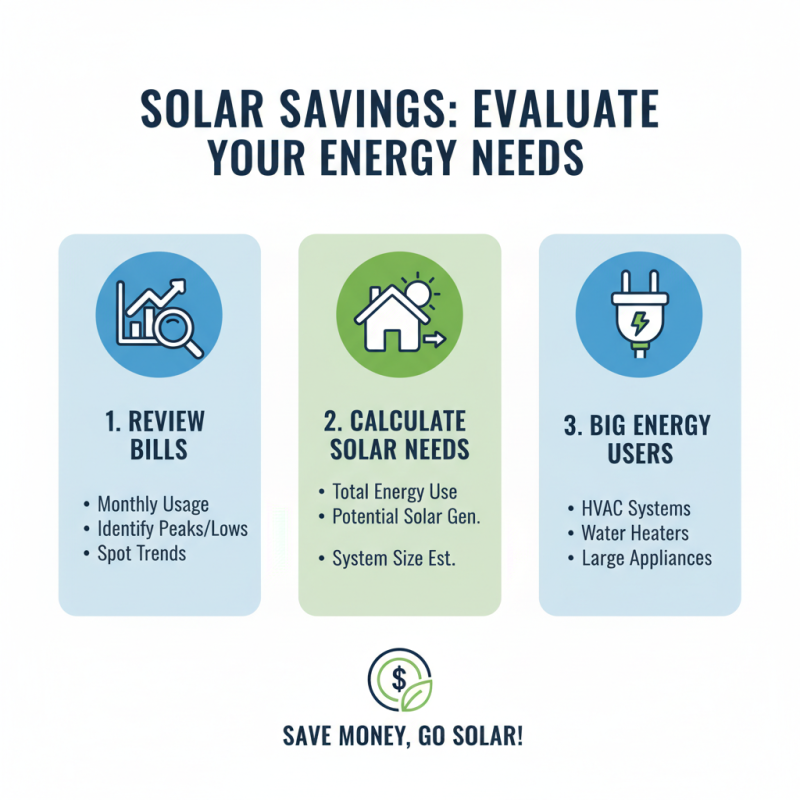
Installing solar panels can significantly reduce energy costs, but it requires a solid understanding of the installation process. First, assess your home's energy needs. According to the U.S. Energy Information Administration, the average American household uses about 877 kWh per month. Knowing your consumption helps in sizing your solar system correctly.
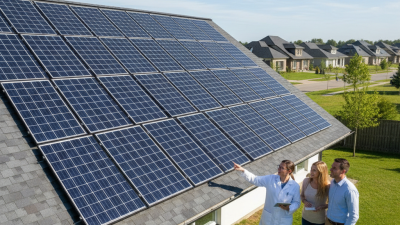
When starting, ensure your roof is suitable. It should have a good pitch and be free from obstructions like trees or vents. A study by the National Renewable Energy Laboratory indicates that solar panels can produce up to 20% more energy on a south-facing roof. Consider potential shading from nearby structures, as it can adversely affect performance.
**Tips:** Perform a site analysis before deciding on solar panel placement. This prevents wasteful oversights.
Choosing the right installation method is crucial. Some prefer DIY, while others opt for professional services. Although DIY can save money, it may lead to installation errors. In one case, improper wiring caused a significant drop in system efficiency. Reliable data, such as that from the Solar Energy Industries Association, shows that professionally installed systems often yield 30% more energy over their lifetime.
**Tips:** Always check local regulations and building codes before installation. This ensures compliance and avoids future issues.
Choosing the Right Solar Panel System for Your Home
Choosing the right solar panel system for your home is crucial for efficiency and savings. According to the National Renewable Energy Laboratory, homeowners can reduce their energy bills by up to 70% with the right setup. When selecting a system, consider factors like your energy consumption, roof space, and local climate. These elements greatly influence the type of solar panels you should choose.
Opt for tier-one solar panels, which are known for their reliability and efficiency. These panels typically have a lower degradation rate. Look for options that provide at least a 25-year warranty. Also, evaluate the inverter types available; string inverters work for simpler setups, while microinverters are suitable for complex installations.
**Tips:** Review your electricity bills to understand your consumption patterns. This information can guide your panel selection. Check local incentives too; many states offer tax credits or rebates, making solar power more affordable. Always consult with certified professionals to ensure correct installation. Relying on DIY methods can lead to costly errors.
How to Install Solar Panels Efficiently and Save on Energy Costs? - Choosing the Right Solar Panel System for Your Home
| Solar Panel Type |
Efficiency (%) |
Energy Output (kWh/year) |
Installation Cost ($/W) |
Payback Period (years) |
| Monocrystalline |
20-24% |
1,500 - 2,000 |
2.50 |
5-7 |
| Polycrystalline |
15-20% |
1,200 - 1,800 |
2.00 |
6-8 |
| Thin-Film |
10-15% |
800 - 1,200 |
1.50 |
7-10 |
| Bifacial |
20-25% |
1,600 - 2,300 |
2.75 |
5-7 |
Step-by-Step Guide to Installing Solar Panels
Installing solar panels can seem daunting, but a step-by-step approach can simplify the process. Start by assessing your roof's suitability for solar energy. A recent industry report indicates that homes with south-facing roofs get more sun exposure, which can increase energy production by up to 25%. It's crucial to check for shades from nearby trees or buildings that could impact efficiency.
Next, gather all necessary materials. Make sure you have solar panels, mounting hardware, and an inverter. An important detail is to use high-quality components since they can lead to a more reliable system. Installation often requires permits and inspections. Failing to follow local regulations can lead to fines or the need to redo your work. Data shows that improper installations can reduce energy efficiency by 30%, leading to higher long-term costs.
Once you begin, ensure safety protocols are in place. Utilize proper scaffolding if working on a roof. Solar panel installation should ideally be done on a clear, dry day for optimal performance. Remember to connect the inverter and panel connections carefully; mistakes can damage components. Ultimately, while the task can be challenging, correct execution leads to significant energy savings—potentially up to 40% on monthly bills. There’s value in collaboration; consider consulting professionals for the final steps.
Maintaining Your Solar Panel System for Long-Term Efficiency
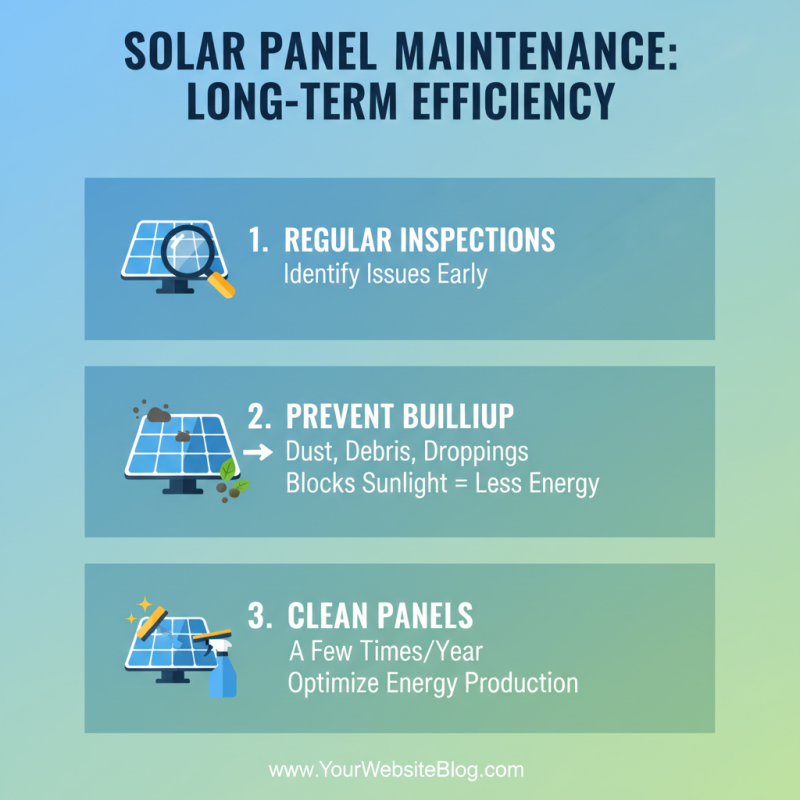
Maintaining your solar panel system is crucial for long-term efficiency. Regular inspections help identify potential issues early. Dust, debris, and bird droppings can accumulate on panels. This buildup can block sunlight and reduce energy production. Cleaning panels a few times a year ensures they operate at optimal capacity.
Monitoring system performance is equally important. Use energy monitoring tools to track the output. If you notice a significant drop, it might indicate a malfunction. In such cases, contacting a professional is wise. They can offer insights and solutions to restore efficiency.
Regular maintenance checks, such as examining the inverter and wiring, can prevent costly repairs later. Some homeowners neglect these aspects, leading to decreased efficiency. Therefore, investing time in maintenance can save money in the long run. Proper upkeep enhances the lifespan of your solar panels, benefiting both your wallet and the environment.