Best 10 Benefits of Solar Energy System for Your Home?
As the world shifts towards sustainable energy solutions, the solar energy system emerges as a key player. Experts agree on its transformative potential. Dr. Emily Henderson, a leading energy consultant, states, "Investing in solar energy systems not only reduces bills but also safeguards our planet." This highlights the dual benefits of practicality and environmental conservation.
The advantages of a solar energy system are manifold. Homeowners can enjoy significant savings on electricity. Moreover, many states offer incentives, making the initial investment more accessible. Beyond financial concerns, switching to solar contributes positively to local ecosystems. It encourages energy independence and reduces reliance on fossil fuels.
However, challenges exist. Homeowners must consider the location and installation costs. Not all homes are ideal for solar panels. Thus, evaluating options and conducting thorough research is essential. Despite these hurdles, the push towards solar energy remains strong. The long-term benefits often outweigh initial setbacks. Embracing this clean technology is a step toward a more sustainable future.
Advantages of Solar Energy Systems for Residential Use
Solar energy systems offer numerous advantages for homeowners. According to the National Renewable Energy Laboratory, residential solar panel installations can reduce energy bills by 30% to 70%. This significant savings can be a game-changer for families managing tight budgets. Additionally, solar energy can increase home values, with studies showing that homes with solar systems sell for about 4% more.
Solar energy is renewable and contributes to environmental sustainability. The U.S. Energy Information Administration reports that electricity generated from solar panels produces no greenhouse gas emissions during operation. This contrasts with fossil fuels, which contribute to climate change. However, there are also drawbacks. The initial installation cost can be daunting, averaging around $15,000. It raises questions about affordability and accessibility.
Many homeowners may also face challenges with maintenance and grid connection. Solar systems require regular upkeep to ensure efficiency. It is crucial to weigh these factors carefully. While the benefits of solar energy systems are compelling, the decision to install should consider both immediate and long-term impacts.
Cost Savings Through Reduced Energy Bills with Solar
Solar energy systems offer significant cost savings for homeowners. When you install solar panels, you generate your own electricity. This leads to lower monthly energy bills. Depending on your location, savings can be substantial. Many homeowners report a decrease of up to 50% in their energy costs. This reduction can make a real difference over time.
Moreover, solar energy can provide long-term financial stability. Once the system is installed, maintenance costs are minimal. Over the lifespan of the panels, typically around 25 years, the savings accumulate. Additionally, some states provide tax incentives for installing solar systems. Such benefits enhance the overall financial appeal of solar energy. However, the upfront investment can be daunting. It’s essential to analyze your budget closely.
Not every home has an ideal setup for solar panels. Roof orientation, shading, and structural integrity can impact efficiency. Homeowners may need to reconsider or adapt their energy usage habits. Understanding these factors is vital. By addressing these uncertainties, you can maximize savings and efficiency.
Best 10 Benefits of Solar Energy System for Your Home
| Benefit |
Description |
Estimated Savings |
| Reduced Electricity Bills |
Solar energy systems can lower electricity bills significantly. |
Up to $1,500 annually |
| Tax Incentives |
Federal and state incentives can reduce installation costs. |
Up to 30% of installation cost |
| Increased Property Value |
Homes with solar energy systems often sell for more. |
Approx. $15,000 increase |
| Environmental Impact |
Reduces carbon footprint and greenhouse gas emissions. |
N/A |
| Energy Independence |
Decreases reliance on fossil fuels and grid electricity. |
N/A |
| Low Maintenance Costs |
Solar systems have low upkeep compared to other systems. |
Minimal annual maintenance fees |
| Job Creation |
The solar industry creates numerous jobs in various sectors. |
N/A |
| Grid Security |
Distributed energy production helps enhance grid stability. |
N/A |
| Potential for Battery Storage |
Solar systems can be paired with batteries for energy storage. |
N/A |
| Long-term Investment |
Solar systems can pay for themselves over time. |
ROI varies but often exceeds 20 years |
Environmental Benefits of Using Solar Energy at Home
Installing a solar energy system at home brings significant environmental benefits. It reduces reliance on fossil fuels, which are major contributors to global warming. By harnessing solar energy, homeowners can lower their carbon footprint. Solar panels convert sunlight into electricity, producing no greenhouse gas emissions during operation. This clean energy source helps mitigate air pollution, benefiting both your health and the planet.
Using solar energy also preserves natural resources. Traditional energy sources often require extensive mining and drilling, disrupting ecosystems. In contrast, solar energy is abundant and sustainable. Once installed, solar panels generate power without depleting water sources, which is crucial in water-scarce regions. Despite the initial investment, homeowners can contribute positively to environmental conservation. Some might feel uncertain about the technology or the return on investment. However, the long-term environmental gains can outweigh these concerns, promoting a healthier planet for future generations.
Increase in Property Value with Solar Panel Installation
Installing solar panels can significantly enhance your home’s value. A well-placed solar energy system not only provides clean energy but can also attract potential buyers. Research shows that homes with solar installations sell faster and at a premium. This appeal stems from reduced energy costs and a commitment to sustainability.
Tips: Before installing, assess your roof's orientation and shading. A south-facing roof with little obstruction yields the best results. You might consider consulting a local expert to analyze your home’s unique characteristics.
Moreover, solar panels can lower your monthly utility bills. This financial incentive becomes a key selling point. Homebuyers often look for energy-efficient features. Highlighting these benefits can set your property apart. It's essential to present clear data on savings and energy production.
Tips: Explore local incentives and tax credits for solar installation. These can enhance your return on investment. Keep in mind that the installation process varies, and not all systems will suit your home perfectly. Reflect on your options carefully to maximize the value added to your property.
Energy Independence and Reliability Provided by Solar Systems
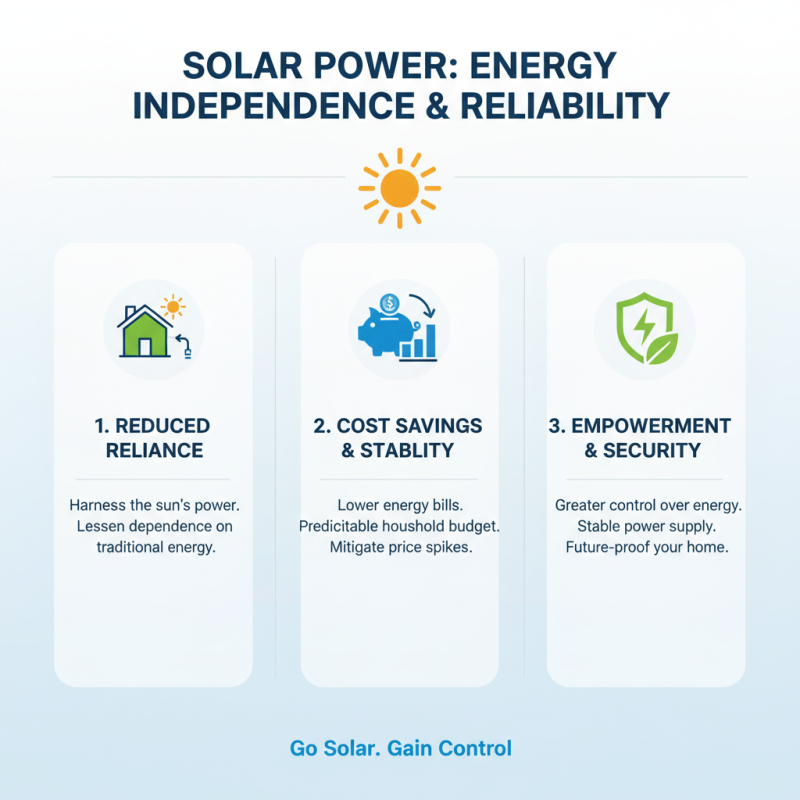
Solar energy systems offer a pathway to energy independence that many homeowners find appealing. By harnessing the sun's power, families can reduce reliance on conventional energy sources. This shift leads to greater control over energy bills and a more stable outlook for the household budget. High energy costs can greatly impact financial planning. Solar systems can mitigate these fluctuations.
Reliability is a key benefit of solar energy. Unlike traditional grids, which can be vulnerable to outages, a solar setup can keep homes running smoothly. Battery storage options allow homeowners to store excess energy for later use. This can be invaluable during storms or outages, providing peace of mind. However, the initial investment might seem daunting to some. Yet, many find the long-term savings worthwhile, especially considering the rising costs of fossil fuels.
Moreover, while solar energy systems are a great start, they are not without challenges. Weather, for instance, affects energy production. Cloudy days can lower efficiency, and systems require maintenance. This adds complexity to their implementation. Homeowners should carefully weigh these factors. Awareness and preparation can help manage potential drawbacks effectively.