How to Harness Solar Energy for Your Home Efficiently?
Harnessing solar energy for your home is becoming increasingly vital in today’s world. Experts like Dr. Jane Smith, a renowned solar energy researcher, emphasizes this importance, stating, “Solar energy offers a sustainable way to power our lives.” With rising energy costs and environmental concerns, homeowners are seeking efficient solutions.
Adopting solar energy not only reduces electricity bills but also contributes to a greener planet. Many people, however, feel overwhelmed by the technology and installation processes. A clear understanding of your home's solar potential can help. Utilizing well-placed panels makes a significant difference.
While solar energy systems can be an investment, the long-term savings are worth considering. It's easy to ignore the maintenance aspects. Regular upkeep ensures systems run efficiently. Embracing solar energy means embracing a more sustainable lifestyle, even with its challenges. Understanding these facets can lead to better decisions.
Understanding Solar Energy Basics for Home Use
Solar energy is becoming a viable option for many homeowners seeking sustainability. In 2022, the U.S. solar market witnessed a remarkable growth of 45%, with over 20 gigawatts of new capacity added. This growth is largely due to technological advancements and declining costs. Understanding the basics of solar energy is crucial for effective home use.
When harnessing solar power, it’s essential to consider the type of system that fits your needs.
Photovoltaic (PV) systems convert sunlight directly into electricity, while solar thermal systems use sunlight for heating purposes. According to the U.S. Department of Energy, a solar energy system can potentially reduce your electricity bills by 80% over 20 years. However, installation costs can be significant, often ranging from $15,000 to $25,000 before incentives. This initial investment may be daunting for some homeowners.
Another factor to consider is energy storage. Solar battery systems store excess energy for use during nighttime or cloudy days. Data shows that homes with batteries can optimize their energy usage even further. Despite these benefits, there is still a need for careful planning and calculation to ensure a good return on investment. Some homeowners overlook site orientation and shading factors, which can greatly affect energy efficiency.
Evaluating Your Home's Solar Energy Potential
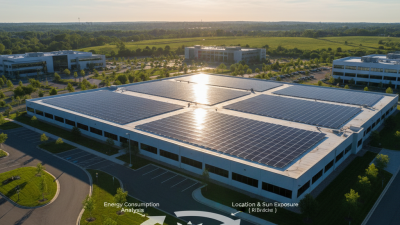
When considering solar energy for your home, evaluate its potential carefully. Start by assessing your roof's orientation and angle. South-facing roofs typically receive the most sunlight. Use a solar pathfinder or apps to check for shading from trees or buildings. This assessment helps determine how much sunlight your roof gets throughout the year.
Tips: Inspect your roof's condition. Cracks or leaks can impact solar panel installation. Consult a professional for a thorough inspection. Estimate available roof space. More space means more panels. Even a small area can be effective with the right system.
Additionally, analyze your energy usage. Look at past utility bills to find patterns. This helps understand how much energy you need to generate. It is important to remember that not all homes are ideal for solar. Some might face shading issues or structural limitations. Reflect on whether solar is a worthwhile investment for your unique situation.
Selecting the Right Solar Technology for Your Needs
When considering solar technology for your home, understanding your specific needs is crucial.
You can choose between photovoltaic (PV) panels and solar thermal systems.
PV panels convert sunlight directly into electricity. They are versatile and can be installed on roofs or in yards.
Solar thermal systems, on the other hand, capture heat for water heating. This can be great for households needing hot water regularly.
Assess your energy requirements. Analyze your average consumption to determine the right system size.
Consult with specialists to explore available options.
A good installer will guide you through the process. They can help you understand potential savings and incentives.
Check local regulations and rebates, as they vary significantly.
Keep in mind, both systems have limitations. PV panels might require a sunny location, while thermal systems might need a larger area for installation.
Installation costs can be significant, so weigh the initial expense against the long-term savings.
Your situation is unique. Reflect on how solar energy can complement your lifestyle while ensuring it's an informed choice.
Installing Solar Panels: Steps and Considerations
Installing solar panels at home can be a rewarding yet challenging journey. Begin by evaluating your roof's suitability for solar energy. Ideal roofs are south-facing, receive ample sunlight, and have minimal shading. You may need to clear branches or obstructions. Ensure your roof is in good condition, as installing panels on a weak structure can lead to future issues.
Once you've assessed your roof, the next step is selecting the right type of solar panels. Look into different technologies, including monocrystalline and polycrystalline panels. Each has its pros and cons. Consider factors like efficiency, cost, and space requirements. It's crucial to calculate your household's energy needs. This will guide the size of the solar system you should install.
Finally, hiring a reputable installation team is essential. Get at least three quotes and check reviews. Verify their certifications and experience to avoid potential mishaps. Installation can take a few days, and ensuring safety measures are followed is paramount. Reflect on your energy consumption before and after installation to gauge the system's effectiveness.
Maximizing Efficiency: Tips for Solar Energy Management
Solar energy management can significantly enhance your home's energy efficiency. According to the National Renewable Energy Laboratory, optimizing solar panel positioning can increase output by 20-50%. east-west orientations, for instance, can capture maximum sunlight throughout the day. This is especially true in regions with less consistent sunny days.
Incorporating smart home technology can also improve efficiency. Smart thermostats and energy management systems automatically adjust energy use based on solar generation. A study by the Solar Energy Industries Association indicated that homes using smart systems see a reduction of 10-30% in energy bills. However, not all homes may be equipped to reap these benefits. Integration challenges among devices can lead to inefficiencies and overcomplication.
Battery storage is essential yet often overlooked. According to Bloomberg New Energy Finance, nearly half of residential solar systems might benefit from energy storage solutions. However, investment costs can be substantial, sometimes deterring homeowners. Maintaining balance between energy generation and usage requires thorough planning. Regular audits of energy consumption help in identifying power-hungry appliances that disrupt efficiency.