China Top Solar Panel Providers for Sustainable Energy Solutions?
China is home to some of the world's leading solar panel providers. The growth of this industry is crucial for sustainable energy solutions. According to Dr. Li Wei, a renowned expert in renewable energy, "The future of energy lies in how efficiently we harness solar power." This statement underscores the importance of innovation in solar technology.
Solar panel providers in China are pushing the boundaries of efficiency and sustainability. Companies like LONGi Green Energy and Trina Solar are leading the charge. Their commitment to high-quality products sets them apart in a competitive market. However, the industry faces challenges. Issues such as supply chain disruptions can compromise delivery and production.
Stakeholders must consider the balance between rapid growth and sustainable practices. As these solar panel providers grow, so should their responsibility toward environmental protection. The focus must remain on improving technology while addressing societal needs. Progress requires reflection on both successes and drawbacks. Only then can the industry move forward effectively.
China's Dominance in Global Solar Panel Production and Market Share
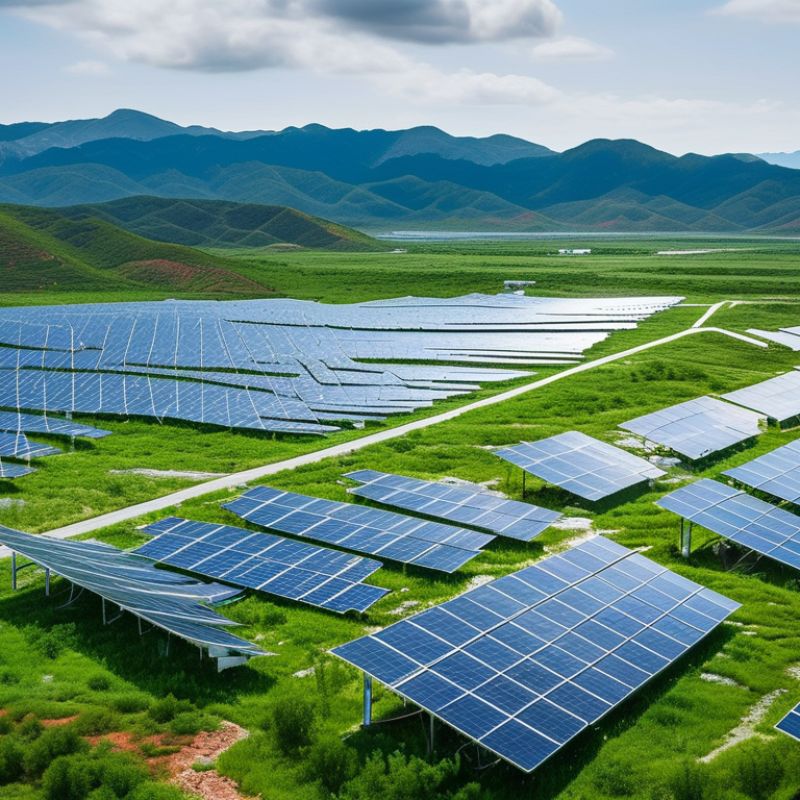
China has established itself as a powerhouse in solar panel production. Data from the International Energy Agency reveals that China made up around 75% of global solar cell production in 2022. This dominance translates to more than half of the world’s total installed solar capacity. The scale of production not only boosts China's economy but also influences global energy policies.
The growth rate of solar installations in China highlights the nation’s commitment to sustainable energy. According to a recent report by Wood Mackenzie, China added over 50 gigawatts of solar capacity just in 2022. This marks a staggering increase from previous years. These advancements contribute to China's goal of reaching carbon neutrality by 2060. Yet, concerns about energy dependency and environmental impacts arise as the industry grows.
**Tip:** When considering solar solutions, examine local regulations and installation requirements. They can significantly impact overall efficiency and cost.
Despite impressive figures, challenges remain. The reliance on a few key suppliers could create vulnerabilities in the supply chain. Diversification may be necessary to ensure a stable future for solar energy. A holistic approach is essential for sustainable development, balancing growth with environmental protection.
**Tip:** Research various technologies to find the best fit for your energy needs. A tailored approach can achieve better results.
China Top Solar Panel Providers for Sustainable Energy Solutions
| Provider |
Annual Production Capacity (GW) |
Market Share (%) |
Export Percentage (%) |
R&D Investment (Million USD) |
| Provider A |
20 |
15 |
60 |
150 |
| Provider B |
15 |
10 |
50 |
200 |
| Provider C |
25 |
20 |
70 |
100 |
| Provider D |
18 |
12 |
40 |
180 |
| Provider E |
22 |
18 |
55 |
120 |
Key Players in China's Solar Panel Industry: Leading Companies and Technologies
China's solar panel industry has become a significant player in the global market, contributing to sustainable energy solutions. Reports suggest that the country accounted for more than 70% of the world's total solar panel production in 2022. This dominance is driven by innovative technologies and strategic investments in renewable energy. The emergence of new materials, such as perovskite, enhances efficiency, potentially reaching beyond 30% for next-generation solar cells.
Key players in the industry invest heavily in R&D. This focus allows them to improve efficiency and reduce production costs. Research indicates that solar energy could provide up to 30% of China's energy needs by 2030. Additionally, government support and subsidies have spurred further growth in this sector. However, the industry faces challenges such as supply chain vulnerabilities and environmental concerns.
Tip: Stay updated on evolving technologies and market trends. This knowledge helps in making informed choices for sustainable energy solutions. Another tip is to consider the lifecycle of solar panels, as recycling rates remain low, which is an area for improvement in sustainability. As the industry evolves, maintaining a balance between innovation and environmental impact is crucial.
Sustainability Metrics: Carbon Footprint and Energy Efficiency of Solar Panels
The solar panel industry is evolving rapidly, yet sustainability remains a critical concern. Evaluating the carbon footprint of solar panels reveals stark contrasts across manufacturers. Panels are not created equal, and some have a more detrimental impact than others. The materials used, production methods, and transportation all contribute to a panel's overall greenhouse gas emissions. The challenge lies in knowing which panels truly minimize their environmental impact.
Energy efficiency is another vital aspect. Some solar panels convert sunlight into electricity with remarkable effectiveness, while others lag significantly. High-efficiency panels generate more energy over their lifetime, potentially offsetting the initial carbon cost of their production. However, not all high-efficiency panels maintain transparency about their sustainability metrics. Consumers face a tough decision. They want to harness clean energy but also desire to make ethical choices.
Despite advancements, issues remain. The recycling of old panels is not fully addressed. Many end up in landfills, contributing further to the environmental burden. Additionally, the industry's push for efficiency can sometimes overlook the importance of sustainable manufacturing practices. Buyers must remain vigilant, questioning not only how much energy a panel can produce, but also how sustainably it was made.
Energy Efficiency and Carbon Footprint of Solar Panels from Leading Providers
Government Policies and Incentives Supporting Solar Energy in China
Government policies in China play a crucial role in promoting solar energy solutions. The government has introduced various incentives, including subsidies for solar panel installations. These incentives lower the cost barrier for adoption, attracting more consumers and businesses. This is particularly important as the demand for sustainable energy continues to grow.
Investment in solar energy has doubled in recent years. Local governments often provide additional support, such as tax rebates and grants. These initiatives drive innovation within the solar sector, leading to advancements in technology. Many companies are optimizing their production processes to increase efficiency.
Tips: When considering solar energy, assess your energy needs. Research local incentives that may apply to your situation. Understand that while solar can save money, upfront costs can still be significant. Balancing the benefits with the initial investment is vital. Conducting thorough research is essential to making informed decisions.
Global Trade Impact: China's Solar Exports and International Relations
China's solar panel exports have significantly influenced global trade dynamics. The country has become a dominant force in renewable energy. This success, however, has raised concerns regarding dependency on Chinese manufacturing. Many nations now rely heavily on China's solar technology for their energy needs.
International relations have also been affected. Countries importing solar panels from China face the challenge of balancing economic benefits and potential geopolitical tensions. This scenario presents a dilemma for many governments as they navigate the complexities of trade agreements and energy security. The reliance on a single supplier may make nations vulnerable to market fluctuations and political maneuvering.
The rise of China's solar industry demonstrates both opportunity and risk. While it provides sustainable energy solutions, it also invites scrutiny over environmental practices and labor conditions. The global community must address these issues. Moreover, increased competition could spark innovation, leading to more sustainable practices across the solar sector. Countries need to reflect on these points while developing their renewable energy strategies.