Top 10 Benefits of Home Solar Energy Systems for Buyers
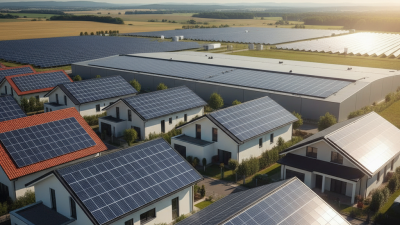
Home solar energy systems are transforming the way buyers perceive energy consumption. These systems harness the sun's power, providing a sustainable alternative to traditional energy sources. As awareness grows, more homeowners explore how solar can benefit them financially and environmentally.
Investing in home solar means lower electricity bills. It can reduce reliance on the grid and offer energy independence. Many states provide incentives, making the switch even more appealing. The efficiency of solar technology has improved significantly, allowing for practical solutions to meet diverse needs.
However, it’s essential to reflect on the initial costs and the installation process. Though the long-term benefits are clear, upfront expenses can be daunting. Homeowners may find themselves weighing immediate financial concerns against future savings. This consideration is a crucial part of moving toward a sustainable future with home solar energy.

Benefits of Reduced Energy Bills Through Home Solar Energy Systems
The rising adoption of home solar energy systems brings significant savings on energy bills. A report by the U.S. Department of Energy states that homeowners can save between $10,000 to $30,000 over the lifespan of their solar panels. This translates into lower monthly utility expenses. Homeowners can also generate their own energy, reducing reliance on grid power.
Furthermore, many states offer incentives for solar installation, enhancing these cost savings. For instance, the federal solar tax credit allows homeowners to deduct 30% of installation costs from their federal taxes. Such programs increase affordability and encourage more homeowners to consider solar options.
However, potential buyers should evaluate their long-term plans. Solar systems require a significant upfront investment. Depending on local utility rates, the payback period might vary. It's essential to analyze energy consumption patterns before making a decision. Understanding these dynamics can lead to more informed choices. With the right approach, solar energy can be a financially sound investment for many households.
Impact of Federal Tax Credits on Solar Energy System Adoption for Buyers
The adoption of home solar energy systems has surged in recent years, largely due to federal tax credits. According to the Solar Energy Industries Association (SEIA), the federal investment tax credit (ITC) currently offers a 26% tax credit on solar system costs. This incentive significantly lowers the initial investment barrier for homeowners. A 2021 study found that nearly 50% of homeowners cited the tax credit as a key factor in their decision to install solar panels.
However, awareness of this tax incentive is not universal. Many potential buyers overlook the substantial savings available through the ITC. More education is needed in the market to ensure that homeowners fully capitalize on these opportunities. A report by the National Renewable Energy Laboratory (NREL) indicated that, despite the popularity of solar energy, about 60% of homeowners were unaware of this financial support.
It’s also important to reflect on the long-term implications of tax incentives. While federal credits boost initial adoption rates, they systemically contribute to market volatility. Fluctuations in tax policy can deter consistent investment in solar technologies. Buyers may feel uncertain about future benefits, impacting their decisions. Thus, ongoing clarity and stability in tax policies are crucial for nurturing sustained growth in the solar energy sector.
Increased Home Value: How Solar Systems Enhance Property Appraisal
As homeowners increasingly seek sustainable living, solar energy systems are gaining traction. One important aspect of this shift is the positive impact on property value. Homes equipped with solar panels often see a significant rise in appraisal values. A report from the National Renewable Energy Laboratory indicates that solar systems can enhance property values by an average of 4.1%. This figure varies depending on the region and local market conditions.
Potential buyers are often attracted to energy-efficient homes. They prefer properties with lower utility bills. Research from Zillow shows that homes with solar energy systems sell for about 20% more than similar homes without them. However, this increase isn't uniform across all markets. Some areas may not recognize the full potential for value appreciation.
While data supports these benefits, not every home will see the same results. Certain factors, like roof condition and system size, play a crucial role. It’s essential for sellers to consider local solar incentives as well. These can vary widely, affecting the perceived value of solar installations. Homebuyers should conduct thorough research before making decisions based solely on potential property value increases.
Top 10 Benefits of Home Solar Energy Systems for Buyers - Increased Home Value: How Solar Systems Enhance Property Appraisal
| Benefit |
Description |
Impact on Property Value |
Estimated Increase (%) |
| Energy Cost Savings |
Reduce monthly energy bills by generating your own electricity. |
Increases buyer appeal due to lower operational costs. |
5-10% |
| Tax Incentives |
Homeowners can qualify for federal and state tax credits. |
Enhances value due to upfront savings. |
3-7% |
| Environmental Benefits |
Contributes to reduced carbon footprint and promotes sustainability. |
Attracts eco-conscious buyers, potentially increasing demand. |
2-5% |
| Energy Independence |
Reduces reliance on utility companies and grid supply. |
Increases attractiveness to buyers seeking reliability. |
4-8% |
| Low Maintenance Costs |
Solar systems require minimal maintenance after installation. |
Value increases as buyers appreciate decreased upkeep. |
2-4% |
| Increased Home Resale Value |
Homes with solar panels often sell for more than those without. |
Direct boost in home appraisal assessments. |
10-20% |
| Long-Term Investment |
Increases the long-term value of the property. |
Investors view solar as a valuable asset. |
6-12% |
| Added Property Features |
Solar panels are viewed as a desirable home feature. |
Homes with desirable features tend to have higher appraisals. |
5-8% |
| Improved Marketability |
Solar installations can make homes sell faster. |
Increased buyer interest leads to higher perceived value. |
7-15% |
Environmental Benefits: Reducing Carbon Footprint with Solar Energy
Solar energy is a powerful tool against climate change. By harnessing sunlight, homeowners can significantly reduce their carbon footprint. A solar energy system generates electricity without the harmful emissions associated with fossil fuels. This transition is crucial for creating a sustainable future. Studies show that a typical residential solar setup can offset several tons of CO2 per year.
Moreover, solar panels have a long lifespan, often exceeding 25 years. This durability ensures that homeowners enjoy consistent energy savings while contributing to the planet's health. However, the installation process can be daunting and may involve unexpected challenges, such as structural assessments or local regulations. It's vital to approach these issues with patience.
Investing in solar energy not only offers environmental benefits but also fosters a sense of community responsibility. The awareness surrounding renewable energy opens discussions among neighbors, sparking interest and action. While some may find solar panels less visually appealing, the potential benefits outweigh aesthetic concerns. Embracing this technology can lead to informed decisions for both personal and planetary health.
Long-term Savings: Average Return on Investment for Solar Energy Systems
Home solar energy systems offer a compelling return on investment. Buyers often see significant savings on their electric bills. Over time, these savings can cover the initial costs of installation. For many, the ROI on solar energy systems averages around 20%. This figure can vary based on location and energy usage.
When considering solar, think about your energy needs. Calculate your energy bills over a year. Determine how much you can save by switching to solar. Research local incentives too. Many areas offer tax benefits and rebates. This boosts your overall return.
Tip: Evaluate your roof's orientation and shading. This affects how much sunlight your solar panels receive. If trees block sunlight, your system's efficiency drops. Also, some homeowners underestimate maintenance costs. Regular cleaning and inspection are vital to keep the system running efficiently. Reflect on your long-term energy goals to make the right decision.
Top 10 Benefits of Home Solar Energy Systems for Buyers
The chart above illustrates the various benefits associated with home solar energy systems. Each benefit is scored on a scale of 1 to 100, highlighting the significant long-term savings potential and other advantages for buyers.