

Solar Panel Manufacturing — Powering India’s Clean Energy Future
The growing demand for renewable energy has made solar panel manufacturing one of the most important industries in India. With an increasing focus on sustainability, government incentives, and advanced technology, the solar sector is transforming how the nation produces and consumes electricity. Apart from creating jobs and boosting economic growth, the industry plays a vital role in realizing the true solar energy benefits that contribute to a cleaner, greener, and more self-reliant India.
Understanding the Solar Panel Manufacturing Process
The solar panel manufacturing process involves several intricate steps that determine the efficiency and durability of solar panels. From the creation of silicon wafers to the assembly of complete photovoltaic (PV) modules, each stage contributes to harnessing sunlight effectively.
-
Silicon Ingot Formation:
High-purity silicon is melted and crystallized to form cylindrical ingots. These are sliced into thin wafers that become the foundation of solar cells. -
Solar Cell Production:
The silicon wafers are treated with chemicals, doped with phosphorus or boron, and layered to create a semiconductor structure. This structure allows the conversion of sunlight into electricity. -
Cell Interconnection and Module Assembly:
Individual solar cells are connected using metal ribbons to form strings. These are arranged on glass sheets and encapsulated with protective materials. -
Framing and Quality Testing:
The module is then framed using aluminum for strength and undergoes strict testing to ensure durability, efficiency, and safety.
The process may sound technical, but it ultimately aims to deliver reliable and affordable solar panels that maximize solar energy benefits for residential, commercial, and industrial users.
Solar Panel Manufacturing in India — A Growing Industry
India has emerged as one of the world’s fastest-growing solar markets, with states like Rajasthan, Gujarat, and Tamil Nadu leading solar panel production. The Indian government’s “Make in India” initiative and the National Solar Mission have further boosted domestic manufacturing, reducing dependence on imports and encouraging local innovation.
According to the Ministry of New and Renewable Energy (MNRE), India aims to achieve 280 GW of solar power capacity by 2030, creating thousands of jobs and opportunities across the supply chain. This expansion highlights not only the solar energy benefits for the environment but also for the nation’s economy.
Government Support and Incentives
To strengthen local solar panel manufacturing, several policies have been introduced, including:
-
Production Linked Incentive (PLI) Scheme for high-efficiency solar PV modules.
-
Custom duty exemptions on key raw materials.
-
Solar Park Schemes and subsidies for rooftop installations.
These initiatives not only encourage manufacturers to produce quality panels but also help consumers enjoy the long-term solar energy benefits of clean and cost-effective electricity.
Types of Solar Panels Manufactured
The solar industry in India primarily produces three types of panels, each designed for specific applications:
-
Monocrystalline Panels:
Made from single-crystal silicon, these panels are known for their high efficiency and sleek design. They perform well even in limited sunlight. -
Polycrystalline Panels:
A cost-effective option made from multiple silicon crystals. These panels offer a balance between price and performance. -
Thin-Film Panels:
Lightweight and flexible, they are ideal for unconventional surfaces like building facades or portable devices.
Each type brings unique solar energy benefits, from lower electricity bills to reduced carbon emissions and energy independence.
Role of Technology and Innovation
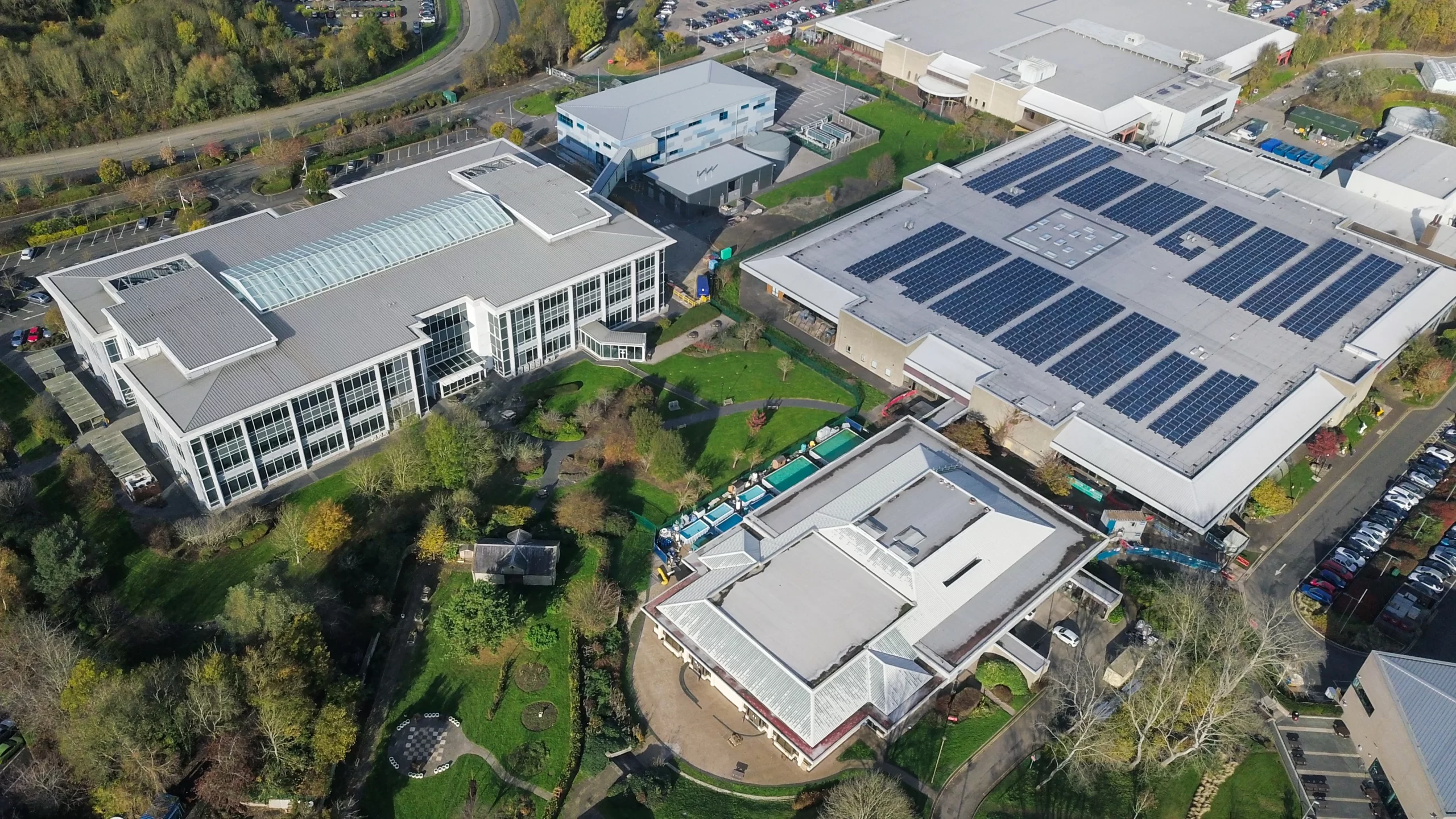
Modern solar panel manufacturing is driven by innovation. Automation, AI-driven inspection systems, and improved material science are enhancing both production speed and quality. New technologies such as bifacial panels (which absorb sunlight on both sides) and perovskite solar cells are pushing efficiency limits beyond traditional PV systems.
Moreover, India’s shift toward smart manufacturing aligns with global sustainability goals, ensuring consistent quality while minimizing waste — another step toward maximizing solar energy benefits.
Environmental and Economic Impact
The impact of solar manufacturing goes far beyond just clean energy generation. It plays a significant role in reducing the nation’s carbon footprint. Every solar panel installed replaces power generated from coal or fossil fuels, significantly cutting greenhouse gas emissions.
On the economic front, the solar sector creates employment in manufacturing, logistics, installation, and maintenance. Small-scale businesses and startups are also finding new opportunities in solar EPC (Engineering, Procurement, and Construction) services, driving regional development.
These outcomes reflect the long-term solar energy benefits of fostering a strong renewable energy ecosystem in India.
Challenges and the Way Forward
Despite strong progress, India’s solar manufacturing industry still faces challenges such as:
-
Dependence on imported raw materials and components.
-
Need for skilled labor and advanced technology.
-
Intense price competition from global manufacturers.
To overcome these, consistent government support, technology transfer, and investment in R&D are essential. Promoting local component suppliers and training programs can also strengthen the industry’s foundation.
The Future of Solar Panel Manufacturing in India
The future of India’s solar manufacturing looks bright. With large-scale investments from private and public sectors, the industry is evolving rapidly toward self-reliance and sustainability. As India positions itself as a global solar hub, it not only supports economic growth but also accelerates the adoption of clean energy nationwide.
Ultimately, solar panel manufacturing stands at the center of India’s renewable revolution — turning sunlight into progress and bringing real solar energy benefits to every corner of the country.
Conclusion
Solar panel manufacturing is more than an industrial process; it is a powerful movement toward energy independence and environmental preservation. By promoting local production, embracing innovation, and utilizing government support, India is shaping a cleaner, sustainable future.
As we continue to expand renewable energy adoption, the solar energy benefits will reach every household, business, and community — making solar power not just a choice, but a necessity for a greener tomorrow.