Guide to Off-Grid Solar Systems for Rural & Remote Use
Introduction to Off-Grid Solar Systems
Access to reliable electricity remains a challenge in many rural and remote parts of the world. Off-grid solar systems offer an efficient solution for areas without reliable grid connections, helping households, farms, schools, and small businesses access clean and consistent energy.
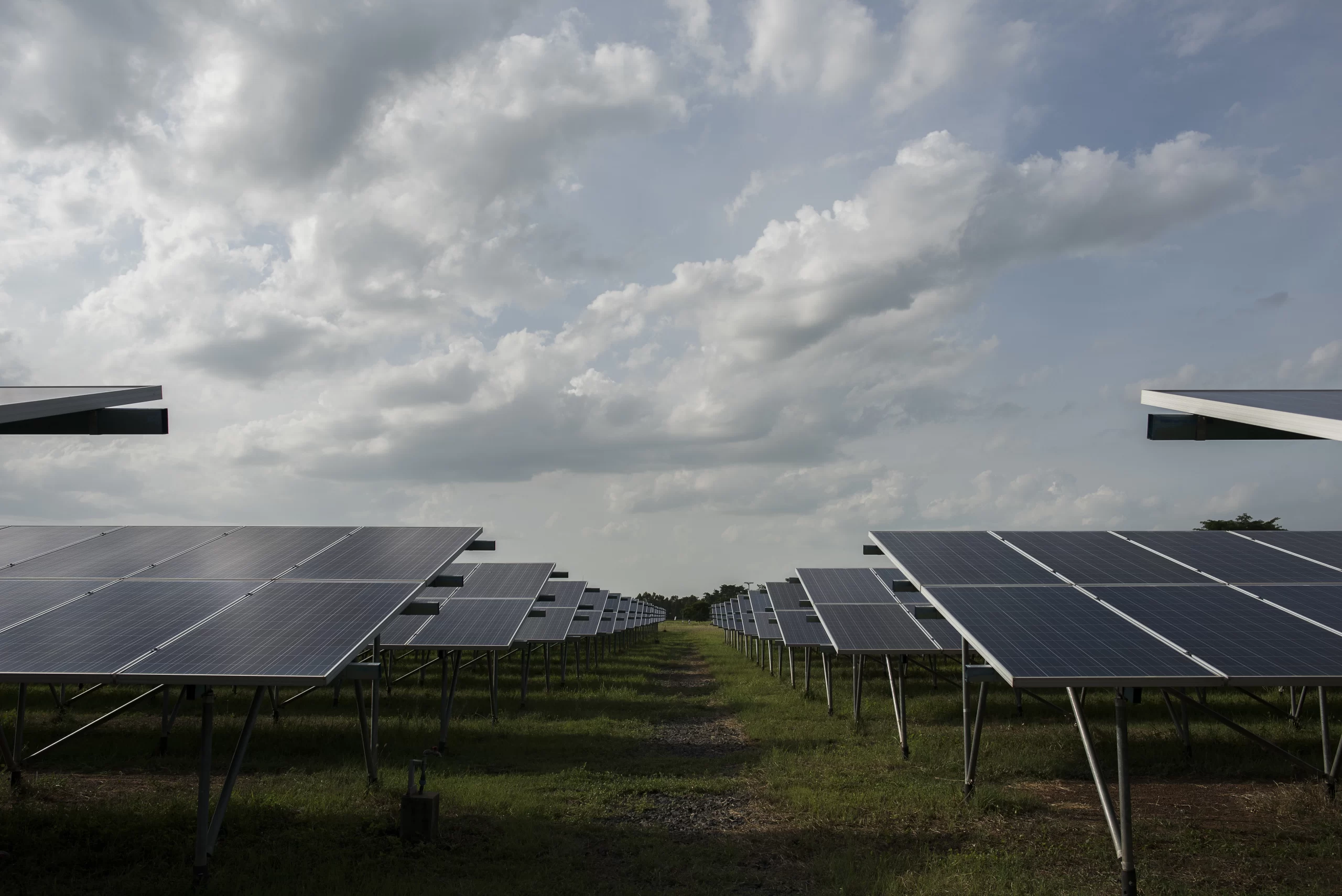
Unlike traditional grid-tied systems, off-grid solar setups allow you to generate, store, and consume your own power independently. With advancements in solar panels, solar battery storage, and solar inverters, these systems have become more affordable, efficient, and suitable for rural communities and remote living.
This comprehensive guide will help you understand what off-grid solar systems are, their key components, benefits, installation process, and whether they are the right choice for your needs.
What Are Off-Grid Solar Systems?
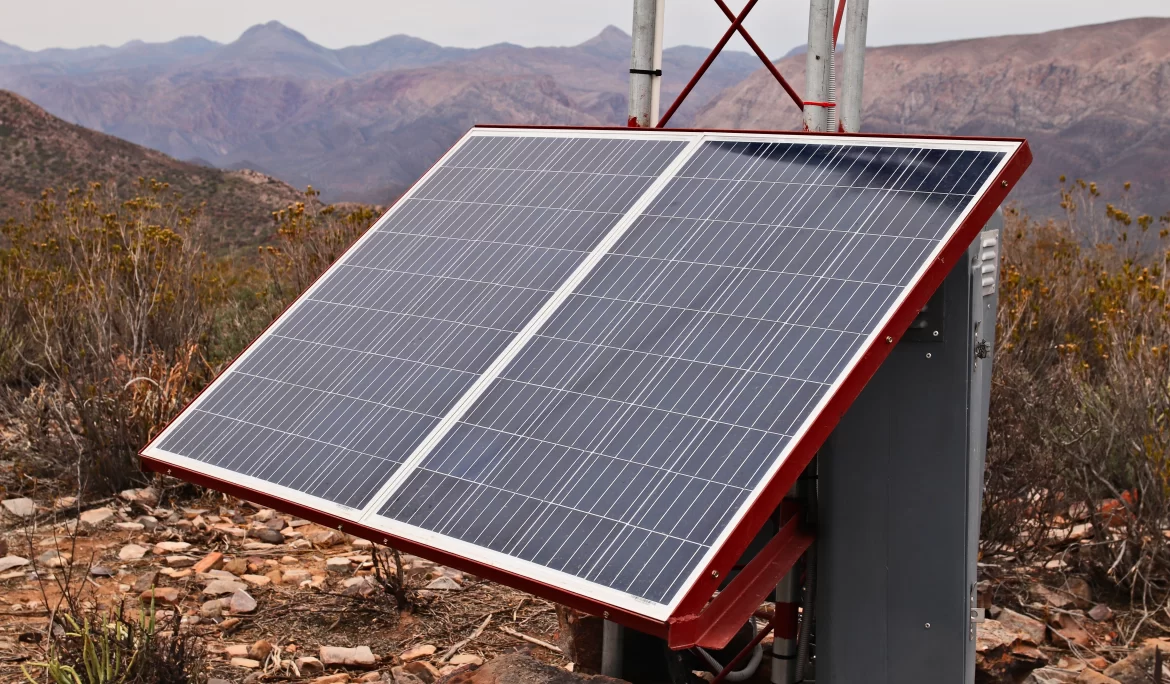
Off-grid solar systems are standalone power setups that do not rely on the main electricity grid. Instead, they generate electricity using solar panels, store it in solar batteries, and supply it to appliances through a solar inverter.
This makes them particularly useful in:
-
Rural villages with little or no grid access
-
Mountain cabins or farmhouses
-
Remote schools, clinics, and community centers
-
Disaster-prone areas where power outages are common
By being completely independent from the grid, these systems ensure that energy is always available, even during blackouts or fuel shortages.
Key Components of Off-Grid Solar Systems
To understand how these systems work, let’s break down their major components:
1. Solar Panels
The backbone of any solar power system. They capture sunlight and convert it into electricity. Modern solar panels are highly efficient and can generate power even in partially cloudy conditions.
2. Solar Charge Controller
This regulates the voltage and current flowing into the solar battery storage, preventing overcharging and extending battery life.
3. Solar Battery Storage
Since solar power is only generated during the day, batteries are essential to store excess electricity for nighttime or cloudy days. Lithium-ion batteries are currently the most efficient option, though lead-acid batteries are still widely used in rural projects due to lower cost.
4. Solar Inverter
An inverter converts direct current (DC) from the solar panels and batteries into alternating current (AC), which powers household appliances, pumps, or machinery.
5. Backup Generator (Optional)
In some cases, an off-grid system may be paired with a diesel or biomass generator for emergency backup, especially in regions with long rainy seasons.
Benefits of Off-Grid Solar Systems
1. Energy Independence
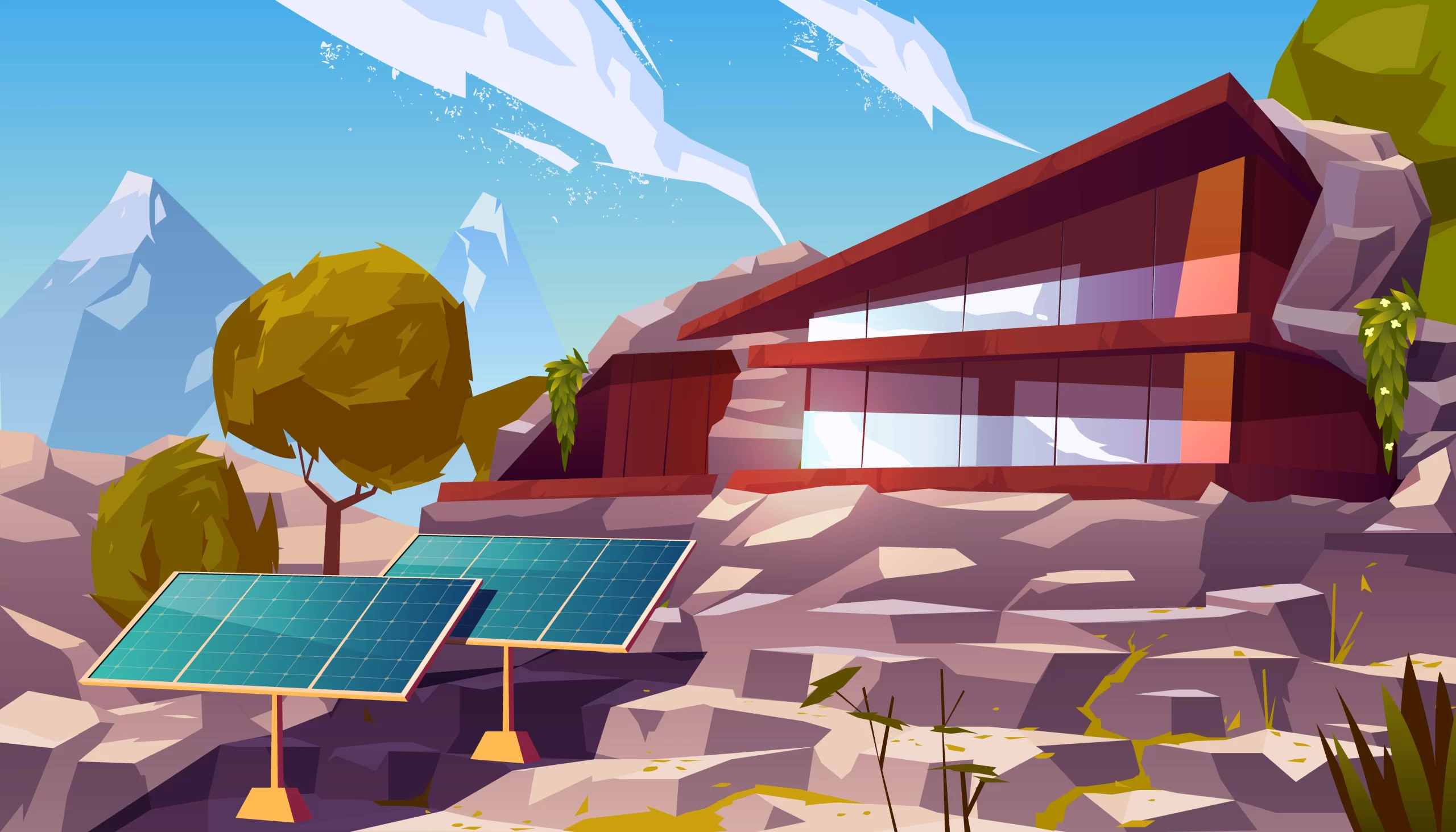
One of the greatest advantages of off-grid solar systems is complete independence from unreliable power grids. Rural families and businesses no longer have to rely on expensive fuel or erratic electricity supply.
2. Cost Savings Over Time
While the solar system cost of installation may seem high initially, the long-term savings are significant. Once installed, sunlight is free, and maintenance costs are relatively low compared to running diesel generators.
3. Eco-Friendly Solution
Switching to renewable energy reduces reliance on fossil fuels. Off-grid solar helps cut carbon emissions and supports global sustainability goals.
4. Ideal for Remote Areas
For regions where extending the electrical grid is impossible or too expensive, off-grid solar provides an affordable alternative. It allows people in villages, mountains, deserts, or islands to enjoy reliable power.
5. Scalability
Systems can be expanded over time. Start with basic lighting and phone charging, then upgrade to powering refrigerators, water pumps, or even small businesses.
Types of Off-Grid Solar Systems
1. Small Home Systems
Designed for basic lighting, mobile charging, and small appliances. Suitable for households in villages or cabins.
2. Medium-Sized Systems
Can power larger appliances such as refrigerators, televisions, or water pumps. Ideal for farms, schools, or community centers.
3. Large Hybrid Systems
These include advanced solar battery storage and sometimes a backup generator. They are designed for large farms, resorts, or industrial use in remote regions.
How Off-Grid Solar Systems Work
-
Daytime – Solar panels absorb sunlight and generate electricity.
-
Power Distribution – The electricity is used immediately to run appliances, while excess power charges the batteries.
-
Nighttime/Cloudy Days – Stored electricity in the solar batteries is used to keep power running.
-
Inverter Conversion – DC power is converted into AC to power standard devices.
Step-by-Step Guide to Installing Off-Grid Solar Systems
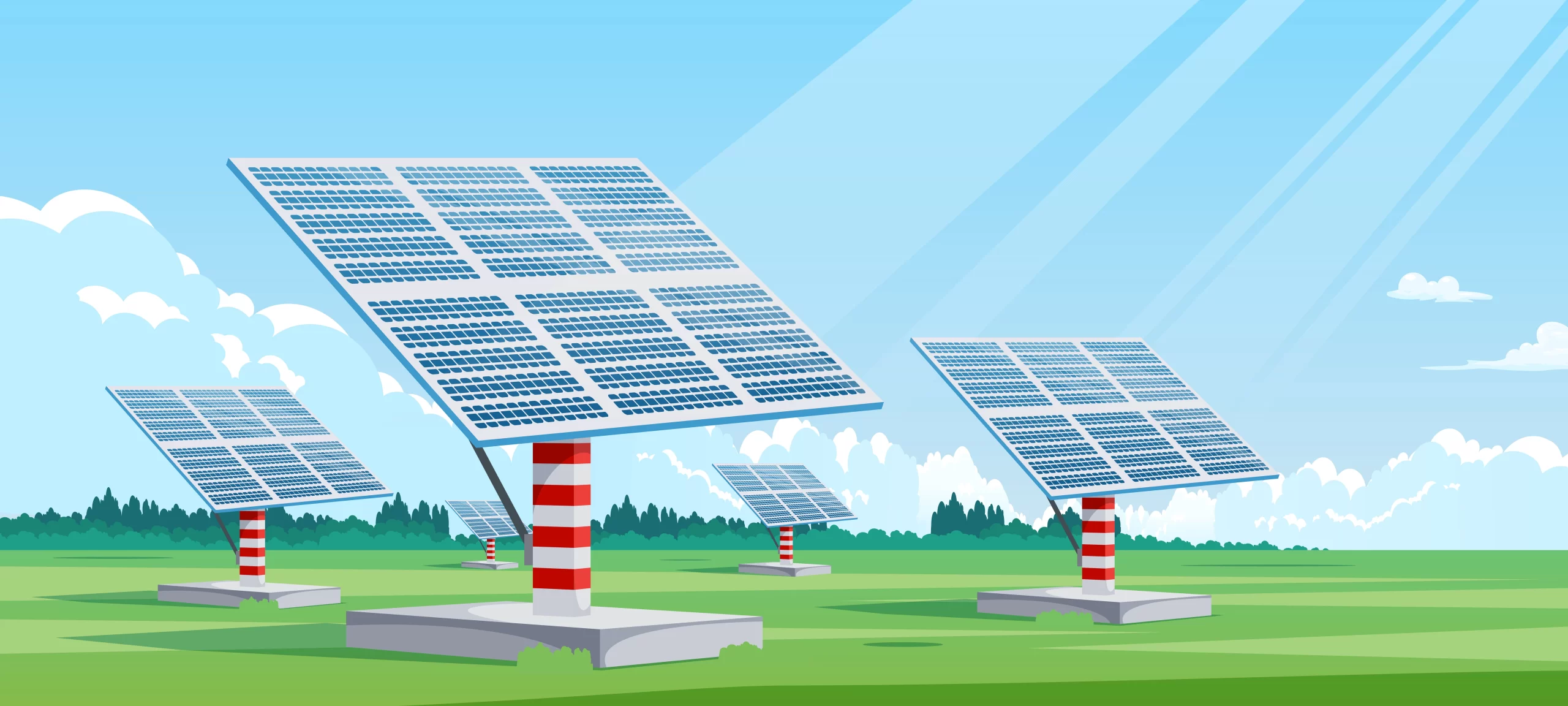
Step 1: Assess Your Energy Needs
List the appliances you plan to run (lights, fans, fridge, TV, pumps, etc.) and calculate the total wattage. This helps determine the system size.
Step 2: Choose Quality Solar Panels
Select high-efficiency solar panels that suit your location’s sunlight availability. Monocrystalline panels work well in limited spaces, while polycrystalline panels are more budget-friendly.
Step 3: Select the Right Battery
For households and businesses, lithium-ion batteries are recommended due to longer life and better performance. Rural projects may consider lead-acid batteries if cost is a concern.
Step 4: Install Solar Inverter & Charge Controller
Ensure the system includes a reliable solar inverter to handle your load efficiently.
Step 5: Professional Solar Installation
While DIY setups are possible, hiring an expert ensures proper design, safety, and maximum performance.
Cost of Off-Grid Solar Systems
The solar system cost depends on system size, quality of components, and location.
-
Small household systems (1–3 kW): Affordable for rural homes
-
Medium setups (5–10 kW): Suitable for farms or schools
-
Large hybrid systems (15–20+ kW): Designed for industrial or commercial use
While upfront costs can be significant, many governments and NGOs provide solar energy subsidies or financing options. Over time, the return on investment comes from fuel savings and reduced dependency on the grid.
Challenges of Off-Grid Solar Systems
-
Initial Investment – High upfront cost for panels and batteries
-
Battery Replacement – Batteries need replacement every 5–10 years
-
Weather Dependency – Power generation can drop in long rainy or cloudy periods
-
Technical Knowledge – Requires proper installation and occasional maintenance
However, with advancing technology, these challenges are reducing rapidly.
| Feature | Off-Grid Solar Systems | Grid-Tied Solar Systems |
|---|---|---|
| Grid Dependency | Independent | Dependent on grid |
| Battery Requirement | Essential | Optional |
| Power During Outages | Available | Not available |
| Installation Cost | Higher | Lower |
| Best For | Rural/Remote Areas | Urban/Suburban Areas |
Maintenance Tips for Off-Grid Solar Systems
-
Clean solar panels regularly to remove dust and debris.
-
Monitor battery health and replace when efficiency drops.
-
Check wiring and connections for wear and tear.
-
Use appliances efficiently to maximize stored power.
Future of Off-Grid Solar Systems
With continuous innovations in renewable energy, solar battery storage, and smart inverters, the future of off-grid systems looks promising. Many countries are investing heavily in rural electrification through solar, bringing light, education, and economic growth to underserved areas.
Conclusion
Off-grid solar systems are more than just a source of electricity—they are a gateway to sustainable living, energy independence, and better quality of life in rural and remote areas. By combining solar panels, solar battery storage, and efficient solar inverters, these systems empower communities to thrive without relying on the grid.
For households, farmers, schools, or businesses located far from traditional infrastructure, investing in an off-grid solar power system is not just an energy choice—it’s a step toward self-reliance and a greener planet.
FAQs
1. What is an off-grid solar system?
An off-grid solar system is a standalone power setup that works without a connection to the electricity grid. It uses solar panels, batteries, and inverters to generate and store electricity for independent use.
2. How much does an off-grid solar system cost?
The cost depends on the size and quality of the system. Small home systems may cost less, while larger setups for farms or businesses require a higher investment. Government subsidies or financing can help reduce the upfront cost.
3. How long do solar batteries last in off-grid systems?
Most solar batteries last between 5 to 10 years, depending on the type (lithium-ion or lead-acid) and usage. Regular maintenance helps extend battery life.
4. Can off-grid solar systems power all household appliances?
Yes, if designed properly. From lights and fans to refrigerators, TVs, and water pumps, an off-grid system can power almost all essential appliances when sized correctly.
5. Is an off-grid solar system better than a grid-tied system?
It depends on your location and needs. For rural and remote areas with no stable electricity, off-grid solar is the best option. In urban areas with grid access, a grid-tied system may be more cost-effective.