How to Use Solar Energy for Home in 2026?
As we approach 2026, the conversation around solar energy for home use is more relevant than ever. Increasing energy costs and environmental concerns drive homeowners to seek renewable solutions. Solar energy for home applications has become a viable option for many. However, navigating the landscape of solar technology can be challenging. Choices abound, but not all will fit your specific needs.
Current advancements in solar technology offer impressive efficiency improvements. Newer solar panels can capture more sunlight than ever before. These developments foster a growing sense of sustainability among homeowners. Yet, some may find the initial investment daunting. Understanding the long-term benefits is essential for making informed decisions. It's crucial to research reliable solar providers and their offerings.
Implementing solar energy for home use also involves practical considerations. Homeowners must evaluate their energy consumption and roof suitability. Local regulations and incentives play a significant role too. Some may experience unexpected challenges during installation or find maintenance less straightforward than anticipated. Ultimately, informed choices and expert guidance can make solar energy a realistic and beneficial option for homeownership.
How Solar Panels Function and Their Efficiency Rates in 2026
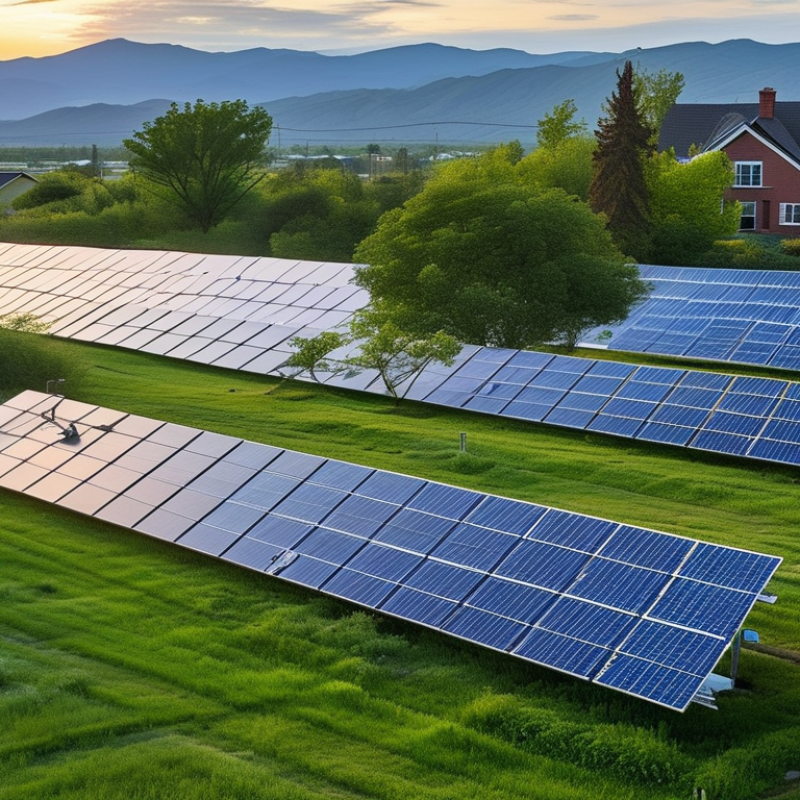
Solar panels have become a vital aspect of home energy solutions by 2026. Understanding how they function is essential for homeowners. Solar panels convert sunlight into electricity using photovoltaic cells. These cells generate direct current (DC) electricity when exposed to sunlight. An inverter then changes DC to alternating current (AC), which powers home appliances.
Efficiency rates of solar panels have seen considerable improvements. In 2026, high-efficiency panels can convert about 22% to 25% of sunlight into usable energy. However, weather conditions and shading still affect performance. Not all homes receive ideal sunlight, which can limit energy production.
Many homeowners may still wrestle with installation costs and space limitations. While energy savings can be significant, upfront investment can deter some. Reflecting on the balance between costs and long-term benefits is essential. Improving energy efficiency at home, alongside solar adoption, remains a challenge worth pursuing. Each small step contributes to a sustainable future.
Estimated Cost Savings from Solar Energy Adoption for Homeowners
As homeowners consider solar energy in 2026, the financial impact becomes a key factor. Reports indicate that adopting solar panels can reduce electricity bills by an average of 30% to 50%. For a typical household, this could mean savings of $1,500 to $3,000 annually. As energy rates continue to rise, solar can offer significant long-term cost benefits, potentially offsetting installation expenses within a few years.
Investing in solar energy not only enhances property value but also qualifies homeowners for various incentives. The Federal Investment Tax Credit (ITC) still provides a 26% tax credit, but this will decrease in the coming years. The urgency to capitalize on this offer is real, and homeowners should assess their options soon. However, initial installation can be costly and may not bring immediate returns.
Consider these points when exploring solar for your home. Understand your local energy rates and potential savings. Compare multiple quotes and check reviews for installation companies. Not all systems yield the same efficiency, so research is essential. Regular maintenance can maximize output but remember that solar energy performance can vary based on geographic and weather conditions. Adjust your expectations based on your unique situation.
How to Use Solar Energy for Home in 2026? - Estimated Cost Savings from Solar Energy Adoption for Homeowners
| Year |
Initial Installation Cost ($) |
Annual Energy Savings ($) |
Payback Period (Years) |
Estimated 20-Year Savings ($) |
| 2026 |
15,000 |
2,000 |
7.5 |
38,000 |
| 2027 |
14,500 |
2,100 |
6.9 |
39,600 |
| 2028 |
14,000 |
2,250 |
6.2 |
40,500 |
| 2029 |
13,500 |
2,400 |
5.6 |
41,400 |
| 2030 |
13,000 |
2,500 |
5.2 |
42,500 |
Government Incentives and Tax Credits for Residential Solar Installations
Government incentives and tax credits can significantly lower the costs of residential solar installations in 2026. Homeowners may benefit from federal tax deductions. These credits apply to the total cost of solar systems, making it an attractive option. However, eligibility requirements can change yearly. It's crucial to stay informed about these regulations.
Many states also offer local incentives. These incentives vary widely, from cash rebates to performance-based incentives. Some communities provide grants to help fund solar projects. Investigating local options can lead to substantial savings. Homeowners should engage with local agents or energy providers. They can provide tailored advice and insights on available programs.
Despite these benefits, challenges exist. Installation costs can still be high for some families, especially without financial assistance. Finding a reliable contractor is also vital, as quality can affect system efficiency. Homeowners must reflect on their long-term energy needs before making a final decision. This careful consideration will help in choosing the best solar solution.
Integrating Solar Energy with Home Energy Management Systems
Integrating solar energy with home energy management systems can significantly enhance energy efficiency. By 2026, studies forecast that residential solar adoption will exceed 30%. This creates opportunities for smarter energy usage. These systems allow homeowners to monitor and optimize their solar power consumption in real time.
Data from the U.S. Department of Energy indicates that optimized solar energy usage could reduce electricity costs by up to 40%. With the rise of smart home technology, homeowners can program their appliances to run during peak sunlight hours. This reduces reliance on the grid while maximizing savings.
However, challenges remain. Not all systems are compatible with every solar setup. Homeowners must consider energy storage options, battery life, and overall system integration. Achieving the best performance requires thorough research and sometimes, trial and error. Embracing this transition can lead to more sustainable living, but preparation and education are key.
Solar Energy Utilization in Homes (2026)
Future Trends in Solar Technology and Home Energy Solutions
As solar technology evolves, homeowners in 2026 can expect significant advancements that will transform energy solutions. The International Energy Agency projects that by 2026, solar power could contribute over 25% of global electricity generation. Innovations like solar shingles and more efficient photovoltaic panels are making solar installations more aesthetically pleasing and accessible. Enhanced energy storage systems will also allow homes to store solar energy more effectively, minimizing reliance on the grid.
When considering solar energy for your home, evaluating local solar incentives is crucial. Many regions offer tax credits and rebates that can significantly reduce installation costs. Understanding your solar potential is vital; using a solar calculator can help determine the ideal system size based on your energy consumption.
Homeowners should also reflect on their energy habits. Reducing energy waste could enhance the effectiveness of solar installations. Simple changes, like using LED lighting and energy-efficient appliances, can complement solar energy use, ensuring that the systems operate at peak efficiency. Keeping an eye on your energy bills post-installation can reveal insights into your system's performance and areas for further improvement.