What is an RV Lithium Battery and How Does it Work?
The RV Lithium Battery has become a critical component for modern recreational vehicles. As RV travel gains popularity, data shows a significant increase in battery technology preference. According to a report by the Recreational Vehicle Industry Association, the RV market witnessed a 62% growth in battery innovations over the past five years. Lithium batteries, known for their lightweight and long lifespan, have surged in popularity among RV owners.
Unlike traditional lead-acid batteries, the RV Lithium Battery offers faster charging and a higher depth of discharge. This means users can access more power without harming the battery's lifespan. A study from the Department of Energy highlights that lithium batteries can provide up to 2000 cycles compared to just 500 for lead-acid. Despite these advantages, some users still face challenges, such as the high initial cost and compatibility issues with older RV systems.
Understanding how an RV Lithium Battery works can dramatically enhance the overall travel experience. However, it's essential to recognize that not all lithium batteries are created equal. Variability in quality can lead to performance inconsistencies. Potential buyers must research and consider the specific requirements of their RV setup to make informed decisions.
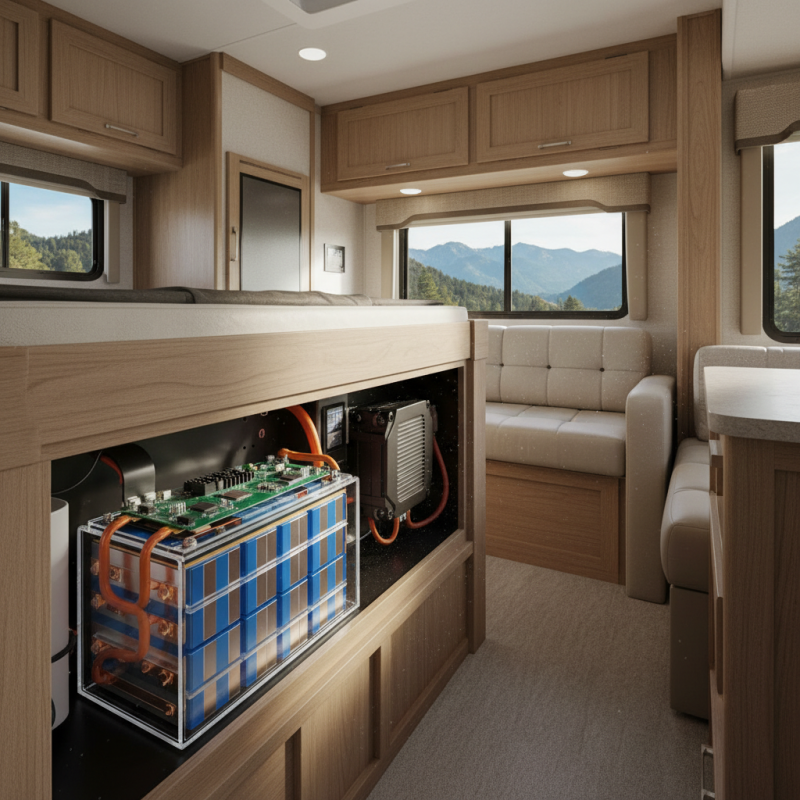
What Is an RV Lithium Battery? An Overview of Its Design and Purpose
An RV lithium battery is a cutting-edge energy storage solution designed for recreational vehicles. Unlike traditional lead-acid batteries, lithium batteries offer superior energy density and longer lifespan. According to recent industry reports, lithium batteries can last up to 15 years, whereas lead-acid batteries typically last only 3 to 5 years. This longevity translates to cost savings over time, despite the higher initial investment.
The design of an RV lithium battery centers around lithium-ion technology that allows for faster charging and discharging rates. They can be charged fully in a matter of hours, whereas lead-acid batteries may take significantly longer. Lithium batteries also operate more efficiently in extreme temperatures, making them suitable for diverse climates. However, it is important to note that their performance can still be affected by specific conditions, such as excessive heat or cold.
Consumers might not consider the weight factor when selecting a battery. Lithium batteries are lighter, which improves RV handling and fuel efficiency. Still, the upfront cost can be a barrier for some users, who may prefer cheaper options. Balancing performance, cost, and weight is essential when choosing the right battery for your RV needs.
Key Components of RV Lithium Batteries: Cells, BMS, and More
RV lithium batteries have transformed the way we power recreational vehicles. Understanding their key components is essential. The main elements include the cells, battery management system (BMS), and protective features.
Cells are the heart of the battery. They convert stored chemical energy into usable electrical energy. RV lithium batteries typically use lithium iron phosphate (LiFePO4) due to its excellent stability and lifespan. Reports indicate that these cells can last up to 5,000 charge cycles. That’s over 10 times longer than traditional lead-acid batteries.
The BMS supervises cell performance and ensures safety. It prevents overcharging and excessive discharging, protecting the cells from damage. A reliable BMS can enhance the battery's lifespan and performance. Additionally, features like thermal management further optimize performance in extreme temperatures. Despite their advantages, users should reflect on the initial costs and specific installation requirements. Investing in quality components is crucial for long-term performance. Balancing costs against benefits is essential for all RV owners.
What is an RV Lithium Battery and How Does it Work? - Key Components of RV Lithium Batteries
| Component | Description | Function |
| Cells | Lithium-ion cells that store and provide energy. | Energy storage and supply for RV operations. |
| Battery Management System (BMS) | Electronic system that monitors and manages battery health. | Ensures optimal performance and safety of the battery. |
| Battery Case | Protective casing that houses the cells and BMS. | Provides protection and structural integrity. |
| Charge Controller | Device that regulates the charging process. | Prevents overcharging and monitors charging cycles. |
| Connectors | Electrical connectors for battery connections. | Facilitates electrical connections within the RV. |
How RV Lithium Batteries Operate: Charge, Discharge, and Cycle Life
RV lithium batteries are designed for efficiency and longevity. They operate on a simple principle of charge, discharge, and cycle life. When charged, lithium ions move from the positive electrode to the negative one. Discharge reverses this process, providing power for appliances and systems. A well-maintained lithium battery can last approximately 2,000 cycles, significantly outperforming traditional lead-acid options, which usually last around 500 cycles.
The efficiency of lithium batteries is impressive. They can typically be charged to 80% in just one hour. This rapid charging capability minimizes downtime during road trips. However, improper usage can lead to reduced performance. Keeping the battery at or above 20% charge is crucial. If voltage drops too low, permanent damage can occur.
Tip: Regularly check your battery's health. Monitor voltage levels and avoid over-discharge. Proper maintenance can help maintain optimal performance.
Understanding how RV lithium batteries operate enhances their benefits. Their
lightweight nature offers a significant advantage for weight-sensitive applications. However, installation and compatibility must be considered. Mishaps during installation can lead to issues, such as short circuits or decreased efficiency. Always consult a
professional if you're unsure about the setup.
Advantages of RV Lithium Batteries Over Traditional Lead-Acid Batteries
RV lithium batteries are becoming the preferred choice for many enthusiasts. They outshine traditional lead-acid batteries in several ways. One major benefit is their weight. Lithium batteries are much lighter, allowing for better fuel efficiency and easier handling. They also last significantly longer, often providing double the lifespan of lead-acid options. This longevity means fewer replacements over time.
Another critical advantage is the charging speed. Lithium batteries charge much faster than their lead-acid counterparts. This means you can spend less time plugged in and more time enjoying the great outdoors. The depth of discharge is another factor; lithium batteries can be discharged nearly completely without damage. In contrast, lead-acid batteries require a partial discharge to maintain their health.
Tip: Check the battery's temperature during charging. Extreme temperatures can affect performance and longevity.
While lithium batteries offer many benefits, they aren't without concerns. The initial investment is higher. However, the total cost of ownership often becomes lower over time due to reduced maintenance and longer life. It’s essential to weigh these factors before making a decision.
Tip: Always consider your power needs. Understand what devices you will be using to select the right battery capacity.
In summary, RV lithium batteries provide numerous advantages that make them a viable choice for modern RV setups. Their efficiency, longevity, and performance can enhance your traveling experience significantly.
Current Market Trends and Cost Analysis of RV Lithium Batteries
The market for RV lithium batteries is evolving rapidly. More RV enthusiasts are choosing lithium options due to their advantages over traditional lead-acid batteries. These lithium batteries offer longer life spans and faster charging times. They can also withstand deeper discharges without damage, making them ideal for extended trips.
Current trends indicate a shift towards energy efficiency and sustainability in the RV sector. The upfront cost of lithium batteries can be higher, but the long-term savings are significant. Users can expect reduced maintenance costs and greater reliability. The average price of lithium batteries has been steadily decreasing, making them more accessible to a wider audience.
Tips:
- Research capacity requirements before making a purchase.
- Consider your usage patterns and energy needs.
- Compare various options to find the best fit for your RV lifestyle.
Investing in lithium batteries is not just about convenience. It requires thoughtful consideration of your travel habits. Balancing cost with performance takes time. Assessing your specific needs can lead to wiser choices. Remember,
less expensive options may not always deliver the best performance.