Top 10 Solar Applications to Boost Global Procurement Opportunities?
The rise of Solar Applications is transforming the energy landscape. These innovations create new avenues for global procurement opportunities. As industries pivot towards sustainability, solar technology emerges as a key player. It not only reduces carbon footprints but also lowers operational costs.
Many sectors, from agriculture to construction, are embracing solar applications. For instance, solar panels on rooftops can significantly cut electricity bills. Additionally, solar-powered equipment enhances productivity while showcasing commitment to green practices. The potential for solar solutions is vast but not without challenges.
Adopting solar applications requires a shift in mindset. Procurement teams must stay updated on technological advancements. Collaboration with trusted suppliers is essential for success. As the world navigates the energy transition, solar applications will remain at the forefront of innovation, driving both growth and sustainability.
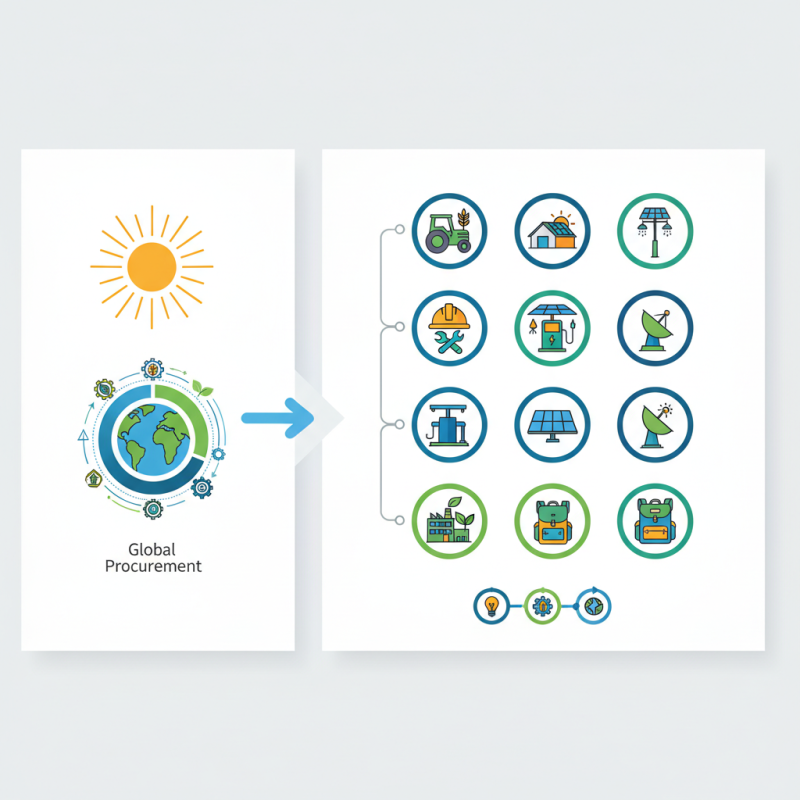
Emerging Trends in Solar Energy Applications for Procurement
The global shift towards renewable energy has seen remarkable developments in solar applications. Emerging trends showcase innovative uses that enhance procurement opportunities. According to the International Renewable Energy Agency (IRENA), solar capacity surged to over 900 gigawatts in 2020. This rapid growth indicates a burgeoning market ripe for investment and procurement.
A notable trend is decentralized solar energy systems. These enable local communities to generate their own power. This decentralization model reduces transmission losses and costs. Furthermore, advancements in solar technology, such as bifacial panels, are proving vital. Bifacial modules can capture sunlight on both sides, increasing efficiency by up to 30%. Data from the Solar Energy Industries Association (SEIA) highlights that the U.S. alone could install 100 gigawatts of solar by 2023, driven by advancements.
Despite these trends, challenges remain. The upfront costs can be daunting for many organizations. A 2020 report from the World Bank shows that initial investments can deter companies from exploring solar solutions. Additionally, the strategic integration of solar into existing supply chains requires careful planning and change management. Industries must address these issues to fully harness the potential of solar energy in procurement.
Innovative Solar Technologies Enhancing Supply Chain Efficiency
Innovative solar technologies are revolutionizing supply chains, offering new approaches to procurement. According to a recent report by the International Renewable Energy Agency (IRENA), the global solar market is projected to grow by 20% annually through 2025. This growth presents unique opportunities for businesses to enhance efficiency in their supply chains.
One significant advancement is in solar energy storage systems. These systems allow for energy use during peak hours, reducing costs. The Energy Storage Association notes that stored energy can save up to 30% on electricity bills. Furthermore, solar-powered logistics minimize reliance on fossil fuels, significantly reducing carbon footprints. Companies adopting such technologies are more competitive in today’s market.
Despite these benefits, challenges remain. Issues surrounding supply chain disruptions and scaling technology persist. For instance, while solar panel production has increased, material shortages can lead to delays. Reports suggest a 15% increase in material costs, impacting overall project budgets. Businesses must navigate these hurdles while harnessing solar technologies to maintain competitiveness and ensure reliability.
Economic Benefits of Solar Applications in Global Markets
In recent years, solar applications have become pivotal to global markets, generating economic benefits. The transition towards renewable energy sources is no longer optional; it is essential. Solar energy creates jobs across various sectors, boosting local economies. For instance, the installation of solar panels requires skilled labor, which leads to vocational training opportunities. This scenario drives workforce development and enhances community resilience.
Moreover, solar applications lower energy costs over time. Businesses that invest in solar power often experience reduced operational expenses. This ultimately leads to higher profit margins and competitive pricing. However, the initial investment in solar technology can be daunting. Some companies may hesitate, fearing the upfront costs outweigh the benefits. This uncertainty highlights the need for financial incentives and supportive policies.
Additionally, solar applications foster innovation in energy storage and distribution. These advancements help stabilize energy supply, making it more reliable. Yet, the technology can evolve faster than regulatory frameworks. This gap may hinder adoption in some regions. Balancing environmental goals with economic realities is crucial as we navigate the evolving landscape of solar energy. The journey is complex, reflecting the challenges and risks involved in seeking sustainable solutions.
Sustainability and Environmental Impact of Solar Solutions
The adoption of solar technology significantly impacts environmental sustainability. Solar power reduces our dependence on fossil fuels, which are major pollutants. By harnessing sunlight, we decrease greenhouse gas emissions. This shift creates a healthier atmosphere, benefiting both wildlife and human populations. Solar energy is scalable, meaning it can serve small communities and large cities alike.
However, transitioning to solar isn't without challenges. The production of solar panels involves materials that can be harmful if not managed properly. Mining these materials can lead to ecological damage. End-of-life disposal of panels also poses a problem. It raises questions about how to ensure these devices are recycled effectively.
Education and awareness are crucial. Communities need to understand both the benefits and the shortcomings of solar technology. Engaging with local stakeholders promotes responsible usage and innovation. Sustainable practices in solar energy create better procurement opportunities while minimizing negative environmental effects.
Case Studies: Successful Solar Procurement Strategies Worldwide
Solar energy is transforming industries globally. Successful case studies illustrate how companies enhance procurement through innovative strategies. For instance, an analysis by the International Renewable Energy Agency (IRENA) revealed that solar installations have doubled since 2018. This surge shows the growing embrace of solar technology in procurement.
One notable case is in the construction sector. A project in Germany utilized solar panels to power its operations. This reduced energy costs by over 30%. Such achievements highlight the importance of effective integration of solar technologies. However, planning and execution can sometimes overlook local regulations, leading to costly delays.
Tips: Conduct thorough feasibility studies before implementation. Understand the regional solar incentives available. Engaging local stakeholders can facilitate smoother deployment.
Another example comes from a major retailer that incorporated solar roofs across its stores. This not only cut down on electricity expenses but also positioned the brand as environmentally conscious. Yet, companies need to consider the balance between initial investment and long-term gains. Some projects faced a lack of skilled workforce, impeding progress.
Tips: Invest in training programs for local workers. Regular assessments can improve project outcomes. Adaptation to evolving technologies ensures sustainable procurement strategies.