How to Choose the Best Solar Power System for Your Needs?
Choosing the right solar power system is crucial for optimizing energy usage and reducing costs. Industry reports indicate that solar energy could account for 20% of global electricity by 2040. This shift reflects growing awareness of sustainable energy sources. Experts argue that careful consideration is essential when selecting a solar power system.
Dr. Sarah Thompson, a leading solar energy researcher, states, “Understanding your energy needs is the first step in choosing the right solar power solution.” Her insights underscore the importance of evaluating your usage patterns and energy goals. Solar power systems are not one-size-fits-all. Different homes require different configurations.
Considering factors such as local climate, financial incentives, and system size is vital. While many options exist, missteps can occur without proper knowledge. Trying to save money might lead to selecting an underperforming system. Thus, thorough research and expert guidance are imperative. Assessing personal energy needs and consulting with professionals can lead to better decisions in solar power investments.
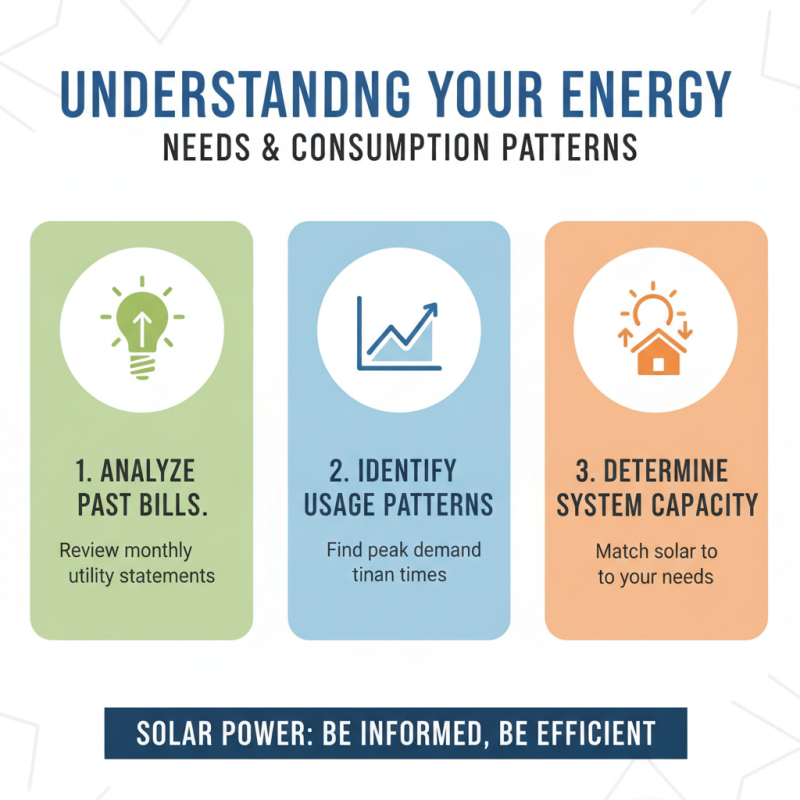
Understanding Your Energy Needs and Consumption Patterns
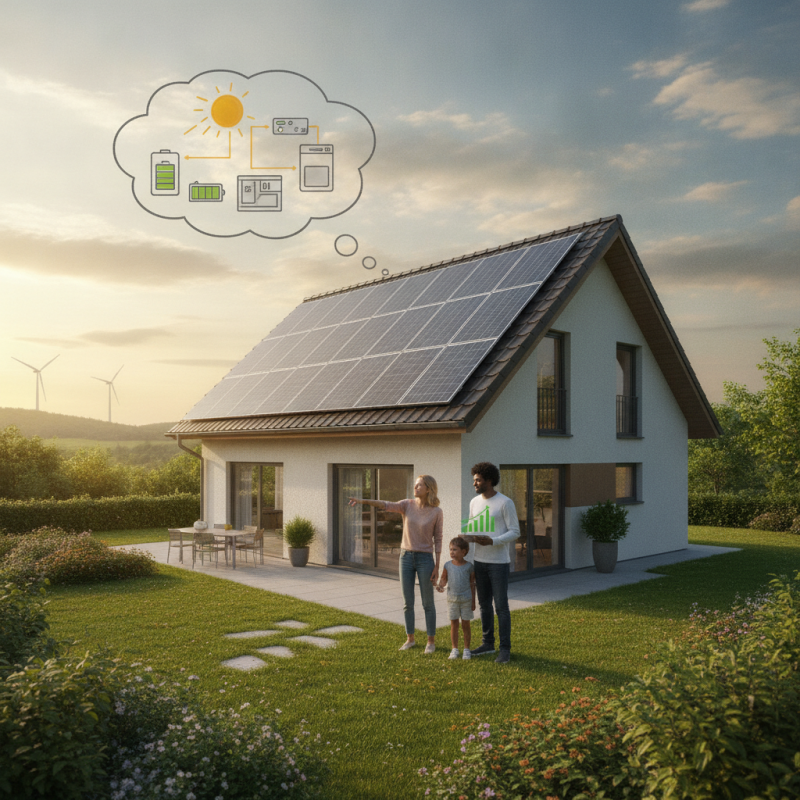
Understanding your energy needs is crucial before selecting a solar power system. Analyze your monthly energy consumption by examining past utility bills. This reveals patterns in usage. Are there peak times when energy demand spikes? Identifying these trends can guide your system's capacity. You might think you know your needs, but energy consumption can be unpredictable.
Consider the specific appliances that consume the most energy. Refrigerators, heating systems, and air conditioners often top the list. Calculate their wattage and how long they run daily. This helps to create a clear picture of your overall consumption. When reviewing your needs, factor in future changes too. Will you buy an electric vehicle or expand your home? Planning ahead can prevent future underperformance of your solar system.
Evaluating your energy needs isn't always straightforward. Sometimes, it leads to more questions than answers. Are you overestimating or underestimating your usage? Don't hesitate to consult experts. They can provide insights that assist in accurate energy assessment. Reflection on your current habits may reveal opportunities for conservation. Adapting your consumption patterns can enhance the efficiency of your solar system.
Evaluating Different Types of Solar Power Systems Available
When evaluating different types of solar power systems, it’s essential to consider your specific energy needs. Not all systems suit every household. The most common types include
grid-tied,
off-grid, and
hybrid systems.
Grid-tied systems connect to the local utility. They require less upfront investment but may leave you vulnerable during outages.
Off-grid systems operate independently. This type provides energy security but can be costly and requires battery storage.
Tips: Consider your local climate when selecting a solar system. Some panels perform better in cloudy weather. Evaluating your energy consumption can help you determine the right capacity. Are you overestimating your needs? You might be.
Hybrid systems combine both grid-tied and off-grid benefits. This setup ensures power during outages, but it’s typically more complex. Look for features like energy monitoring. This will help track performance and usage.
Tips: Assess your roof space and orientation. Is it optimal for solar collection? Regular maintenance is also crucial. Even minor issues can affect efficiency.
Assessing Your Property's Solar Potential and Installation Space
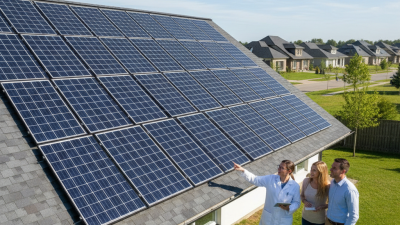
Assessing your property's solar potential is crucial in selecting the right solar power system. Begin by evaluating your roof's orientation and angle. Ideally, a south-facing roof tilted at 30 to 45 degrees maximizes sunlight exposure. According to the U.S. Department of Energy, homes with optimal sun exposure can generate up to 80% more energy than those that don’t. Analyze any shading from trees or nearby buildings. Even partial shading can significantly reduce solar panel efficiency.
Next, consider installation space. You need adequate roof space or land to accommodate solar panels. Each standard panel requires about 17.6 square feet. For a typical home-sized solar array, you might need around 300 square feet. Crowded roofs with vents or chimneys can limit your installation options. Furthermore, assess if your roof needs repairs or upgrades before installation. This may add to your upfront costs but is necessary for optimal system performance.
Gathering this data helps define your energy needs. Determining your energy usage patterns is essential. Analyze your electric bills over the past year. This information guides you in choosing a system size that meets your demand while considering future growth. Your solar investment relies heavily on these initial assessments. Be prepared to adjust your plans based on the unique conditions of your property.
Comparing Costs, Incentives, and Long-Term Savings
When considering solar power systems, understanding costs is crucial. Initial installation costs can vary significantly. It's essential to get multiple quotes. Ensure to check each quote's specifics. Don’t forget to ask about hidden fees or potential upgrades that might arise. A thorough comparison can save you money right from the start.
Incentives can greatly influence your decision. Many states offer tax credits for solar installation. These financial incentives can reduce your overall expenses. Some local programs even provide rebates for newer systems. Be sure to research what’s available in your area. Missing out on these can mean paying thousands more than necessary.
Long-term savings are a significant factor. Solar power can cut monthly energy bills significantly. Many households see a return on investment in just a few years. However, not all systems yield the same savings. Pay attention to energy production estimates. Additionally, reflect on your energy needs. A system that works for your neighbor may not suit you. Consider your consumption patterns carefully before committing.
Comparative Costs and Long-Term Savings of Solar Power Systems
This chart compares the estimated installation costs, annual savings, and long-term savings of different solar power systems over a 25-year period. The data reflects national averages to assist consumers in choosing the best solar power system for their needs.
Finding Reliable Installers and Maintenance Options for Solar Systems
When considering a solar power system, finding reliable installers is critical. Research shows that approximately 30% of solar installations have issues due to improper installation. Selecting certified professionals can mitigate these risks. Look for installers with NABCEP certification, as this indicates a high standard of quality and training.
Maintenance is another essential aspect. A report by the National Renewable Energy Laboratory indicates that regular inspections can boost the system's efficiency by up to 20%. Scheduled maintenance can also extend the lifespan of the system. Homeowners should seek out service contracts that include routine checks and cleaning services to prevent long-term damage.
It’s important to ask for references and read customer reviews. Many customers often overlook this step. Feedback from previous clients offers valuable insights into the installer’s reliability and quality of work. Not all installers provide equal service, so due diligence is key to making an informed decision.