How to Choose the Best Solar Power System for Your Business?
Choosing the best solar power system for your business is a critical decision. It requires careful consideration of many factors. According to Dr. Emily Carter, a leading expert in renewable energy, “In the realm of solar power, understanding your specific needs is key to maximizing efficiency.” This statement highlights the importance of tailoring a solar solution to fit unique business requirements.
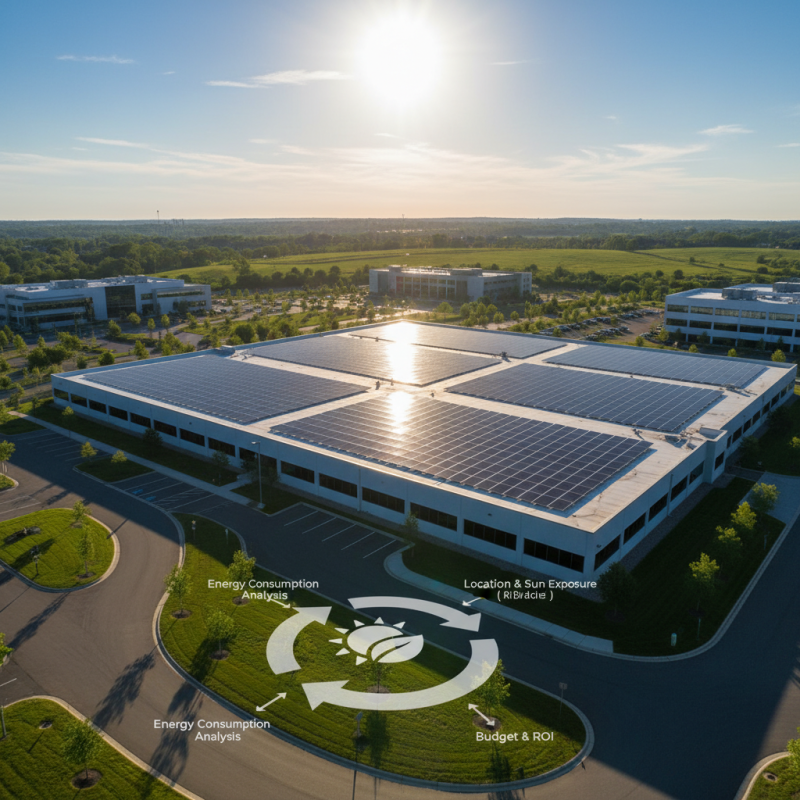
Businesses must evaluate their energy consumption patterns. This involves analyzing past electricity bills and understanding peak usage times. Additionally, location plays a crucial role. Different regions receive varying amounts of sun exposure. This directly impacts the effectiveness of solar power systems.
Budget constraints are also a common challenge. Investing in solar power may seem daunting upfront. However, the long-term savings can offset initial costs. It’s vital to weigh these factors carefully. Many businesses find themselves uncertain about the best choice. Taking the time to research and consult with experts can lead to better decisions. In the end, the right solar power system can significantly enhance sustainability and reduce energy costs.
Understanding Your Business's Energy Needs and Consumption Patterns
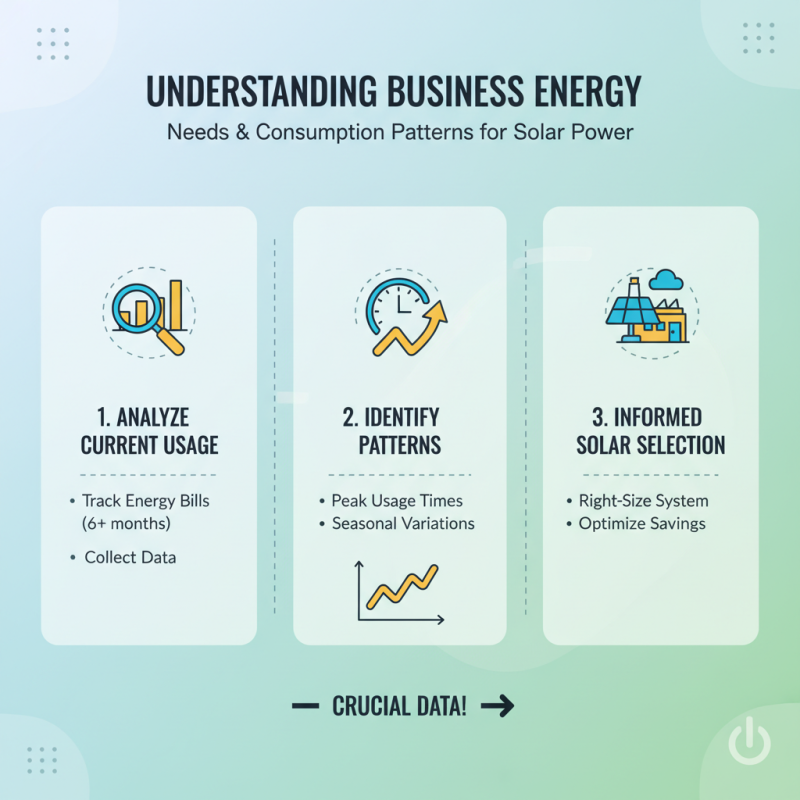
Understanding your business's energy needs and consumption patterns is crucial when choosing a solar power system. Start by analyzing your current energy usage. Track your energy bills over several months. Identify peak usage times and seasonal variations. This data reveals vital patterns in your consumption, aiding in the selection process.
Consider the size of your facility and the type of equipment used. Different sectors have varying energy demands. A restaurant, for instance, requires more energy than a small office. Additionally, assess whether you plan to expand in the future. This foresight can prevent inadequate energy supply and further expenses down the line.
Engage with a professional to interpret your findings. It’s essential to rely on their expertise in structuring your solar power system. However, be aware that not every recommendation may suit your unique situation. Critically evaluate each suggestion, ensuring it aligns with your business goals. Engaging in this reflective process can help you make more informed decisions in the long term.
Evaluating Different Types of Solar Power Systems Available
When evaluating different types of solar power systems for your business, it’s vital to consider several factors. The most common solar systems include grid-tied, off-grid, and hybrid systems. Grid-tied systems are the most prevalent, accounting for about 90% of commercial solar installations. They connect directly to the electrical grid, allowing you to sell excess energy back, but do not store energy for later use.
Off-grid systems, although less common, are crucial for businesses in remote locations. These systems rely on battery storage to function independently of the grid. According to a report by the National Renewable Energy Laboratory, off-grid systems can provide reliable energy but may involve higher upfront costs and complex maintenance.
Hybrid systems offer a blend of both worlds. They connect to the grid but incorporate battery storage, providing reliability against outages. Industry studies show that hybrid systems can improve energy savings by up to 25%. However, they may require more investment and careful planning to optimize performance. Businesses should weigh these options against their energy needs and budget constraints to make an informed decision. Understanding these nuances in solar technology can foster a sustainable energy strategy for your business.
Assessing the Costs and Financial Incentives for Solar Installation
When considering a solar installation, understanding costs is crucial. Solar systems require an initial investment that can be significant. This includes the price of panels, inverters, and installation. Evaluate your business's energy needs and potential savings. A clear assessment of these factors will inform your decision better.
Financial incentives play a key role in the affordability of solar systems. Many regions offer tax credits, grants, or rebates to encourage solar adoption. Research local programs that might ease the upfront costs. Occasionally, these incentives are time-sensitive, making swift action essential.
Moreover, evaluating long-term financial returns is vital. Weigh the cost savings against installation and maintenance expenses. Conduct a sensitivity analysis to foresee how changes in energy prices may affect your investment. Looking critically at all these variables will help you make a more informed choice.
Cost Analysis of Solar Power System Installation for Businesses
This bar chart illustrates a cost analysis for a solar power system installation. It shows the size of the system (in kW), the installation cost, the tax incentives available, and the net cost after those incentives are applied. These factors are crucial for businesses considering a transition to solar energy, allowing them to assess the financial viability of such an investment.
Choosing the Right Solar Provider and Installation Services
When selecting the right solar provider, research is key. Look for companies with proven experience. They should have a solid track record in commercial installations. Check online reviews and ratings. Pay attention to feedback from similar businesses. This can reveal much about their reliability.
Installation services also play a crucial role. A smooth installation can greatly affect your system's performance. Ask potential providers how they handle installations. Ensure they follow best practices and safety standards. Transparency about installation timelines is important. Delays can lead to frustration and lost savings.
Don’t overlook customer support. It should extend beyond installation. Reliable providers offer ongoing maintenance and support. This can include monitoring system performance. A lack of follow-up support may result in unforeseen issues. It’s vital to understand how they handle service calls. Reflect on these aspects to make a more informed choice.
How to Choose the Best Solar Power System for Your Business?
| Criterion |
Description |
Importance |
| Energy Needs |
Assessing the total energy requirement of the business to determine system size. |
High |
| Location |
Consideration of available roof space and sun exposure. |
Medium |
| Budget |
Evaluation of the overall cost including installation and maintenance. |
High |
| Provider Reputation |
Research on customer reviews and provider reliability. |
High |
| Technology |
Choosing between different types of solar panels and inverters. |
Medium |
| Warranty and Service |
Understanding warranty offerings and post-installation support. |
High |
Planning for Maintenance and Future Upgrades of Your Solar System
When selecting a solar power system for your business, it's crucial to consider
maintenance and future upgrades.
Regular maintenance ensures your system operates at peak efficiency. Industry reports indicate that a well-maintained solar power system can yield
energy savings of 10-30% over its lifespan.
Employing predictive maintenance can reduce costly repairs. According to a study by the National Renewable Energy Laboratory, routine inspections
can identify issues early. Addressing minor problems prevents larger damages and protects your investment. Many businesses overlook maintenance,
assuming solar systems are low-maintenance. However, neglect can lead to unexpected costs.
Planning for future upgrades is equally important. As technology advances, your initial system may become less efficient compared to new models.
Research indicates businesses that plan upgrades early can save significantly on energy costs. When selecting components, ensure compatibility
with future technologies. This foresight can position you strategically in a shifting energy landscape, enhancing your sustainability efforts
and bottom line.