Why Advanced Solar Solutions are the Future of Energy Production?
The future of energy production is undeniably tied to advanced solar technologies. With the world shifting towards sustainable energy, these solutions emerge as a beacon of hope. Renowned solar expert, Dr. Emily Chen, emphasizes, “Advanced solar can redefine our energy landscape.” Her words resonate as countries strive to reduce carbon footprints.
Solar energy harnesses the sun’s power efficiently. Advanced solar systems use innovative materials and designs. These improvements maximize energy capture and storage. In urban areas, solar panels can transform rooftops into energy hubs. However, the technology faces challenges. Some systems become less efficient under certain conditions. This calls for continuous innovation and adaptation.
Moreover, public perception remains vital. Many still doubt solar’s reliability and cost-effectiveness. Bridging this gap requires education and transparent practices. The potential of advanced solar is vast, yet it demands collective effort. As Dr. Chen suggests, we must explore and innovate to navigate obstacles ahead.

The Growing Need for Renewable Energy Sources in Modern Society
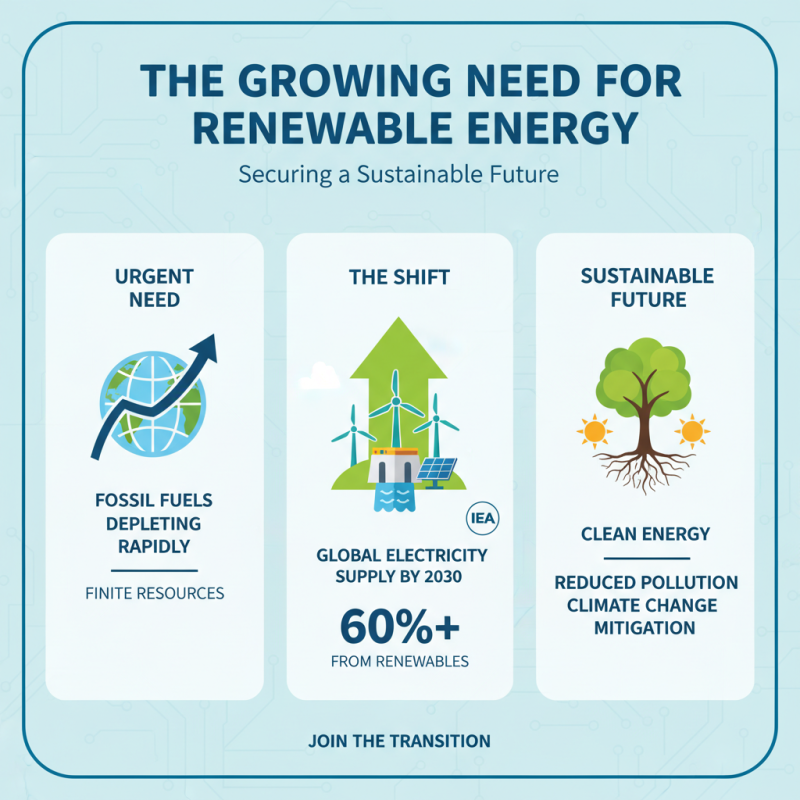
The world faces an urgent need for renewable energy sources. Fossil fuels are depleting rapidly. According to the International Energy Agency, renewable energy sources could provide over 60% of the global electricity supply by 2030. This shift is not just beneficial; it is necessary for a sustainable future.
Many societies struggle with pollution and climate change. The increase in extreme weather events highlights the need for cleaner energy. The World Economic Forum reports that investments in renewable energy could create 24 million jobs by 2030. This presents an opportunity that should not be ignored. However, challenges remain in energy storage and grid integration. Advanced solar solutions must address these issues.
Many people still question the reliability of solar energy. It cannot generate power at night. This could limit its appeal. Nevertheless, advancements in battery technology may provide solutions. More research is essential to overcome these hurdles. Society must remain open to innovation in energy production.
Technological Advances Driving Efficiency in Solar Energy Production
Solar energy is becoming a more efficient and accessible option for energy production. Technological advances are playing a crucial role in this shift. Innovations in solar panel materials are making them lighter and more efficient. For instance, new photovoltaic cells can convert sunlight into electricity with higher rates than older models. This efficiency can reduce the number of panels needed for energy generation.
In addition to more efficient panels, improved energy storage solutions are emerging. Battery technology is advancing, allowing excess energy to be stored for later use. These batteries can charge quickly and last longer. However, there are still challenges. Issues like quick degradation of some battery types need addressing. The reliance on rare materials for batteries raises sustainability questions.
Finally, enhanced monitoring systems are optimizing energy production. Smart technology allows real-time tracking. Users can understand their energy consumption better than ever. Yet, many may find these systems daunting. Adaptability is essential as technology continues to evolve. Embracing these changes can lead to a cleaner and more sustainable future.
Market Trends: Investment Growth in Advanced Solar Solutions
Investment in advanced solar solutions is witnessing unprecedented growth. According to a report by the International Energy Agency, global investment in solar energy could reach $1 trillion by 2030. This marks a significant leap forward compared to previous years.
Emerging technologies, like solar photovoltaics and energy storage, drive this trend. A report from Wood Mackenzie predicts that the solar market will grow steadily, with annual installations increasing by 10-15% in the next five years. This can lead to more efficient energy production. However, challenges remain. Supply chain issues and fluctuating material costs could impact these projections.
Moreover, policy changes are crucial. Governments are gradually adopting supportive measures for solar investments. Yet, uneven regulatory environments may hinder progress. A lack of standardization in technology and incentives affects market confidence. As investors weigh options, these factors must be addressed to maximize growth in this promising sector.
Investment Growth in Advanced Solar Solutions (2018-2023)
The chart above illustrates the significant growth in investments in advanced solar solutions from 2018 to 2023. This trend highlights the increasing recognition of solar energy as a viable and essential contributor to the future of energy production.
Environmental Benefits: Reducing Carbon Footprint through Solar Energy
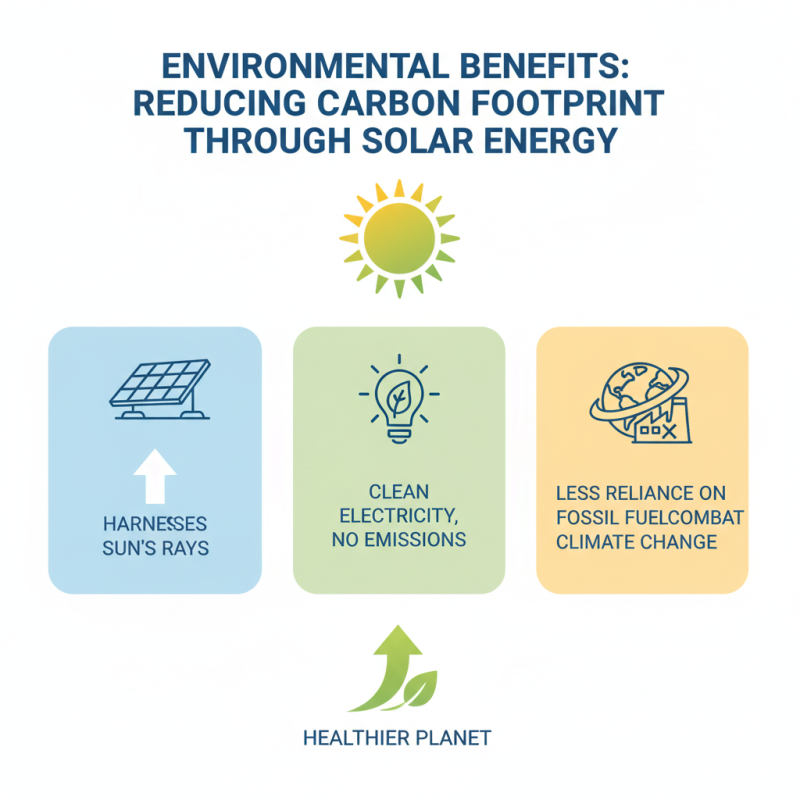
Solar energy presents a powerful solution for reducing our carbon footprint. It harnesses the sun's rays, converting them into clean electricity. This method produces no harmful emissions, directly contributing to a healthier planet. The more we utilize solar capabilities, the less we rely on fossil fuels. Such a shift is paramount in combating climate change.
Transitioning to solar power comes with challenges. The initial costs can deter many from making the leap. Additionally, the reliance on weather conditions can lead to inconsistent energy production. However, advancements in technology are rapidly improving efficiency and storage solutions. Innovative systems could bridge gaps in energy supply, making solar more reliable.
Implementing solar solutions also requires thoughtful planning of space. Not every location is ideal for solar panels. Urban areas with high buildings may have limited sunlight exposure. Communities must consider these factors, balancing aesthetics and practicality. While the future of energy production appears bright, it also demands careful reflection on how we adapt to this change.
Economic Impact: Job Creation and Cost Savings through Solar Adoption
Solar energy is transforming our economy in profound ways. The adoption of advanced solar solutions leads to job creation across various sectors. From manufacturing solar panels to installation services, new employment opportunities are on the rise. Communities embracing solar energy often see local economies thrive. More jobs mean more spending power in neighborhoods.
Cost savings are another significant impact. Homeowners with solar panels can reduce their energy bills dramatically. Lower energy costs free up household budgets for other needs. However, the initial investment can be daunting for some. Education on financing options is crucial. Many still view solar as a luxury, missing out on potential savings.
Despite the clear benefits, a few challenges remain. There are still areas lacking access to solar technology. This can lead to inequalities in job opportunities. Policies need to be refined to ensure everyone can benefit from this shift. Overall, while the potential is immense, continuous efforts are required to address these gaps and maximize the positive economic impact of solar energy.
Why Advanced Solar Solutions are the Future of Energy Production? - Economic Impact: Job Creation and Cost Savings through Solar Adoption
| Dimension |
Data |
| Total Installed Solar Capacity (GW) |
130 |
| Job Creation in Solar Sector (Thousands) |
250 |
| Average Cost Savings per Household ($) |
1200 |
| Reduction in CO2 Emissions (Million Tons) |
50 |
| Percentage of Renewable Energy in Total Energy Mix (%) |
25 |
| Expected Growth in Solar Jobs (Next 5 Years, %) |
20 |